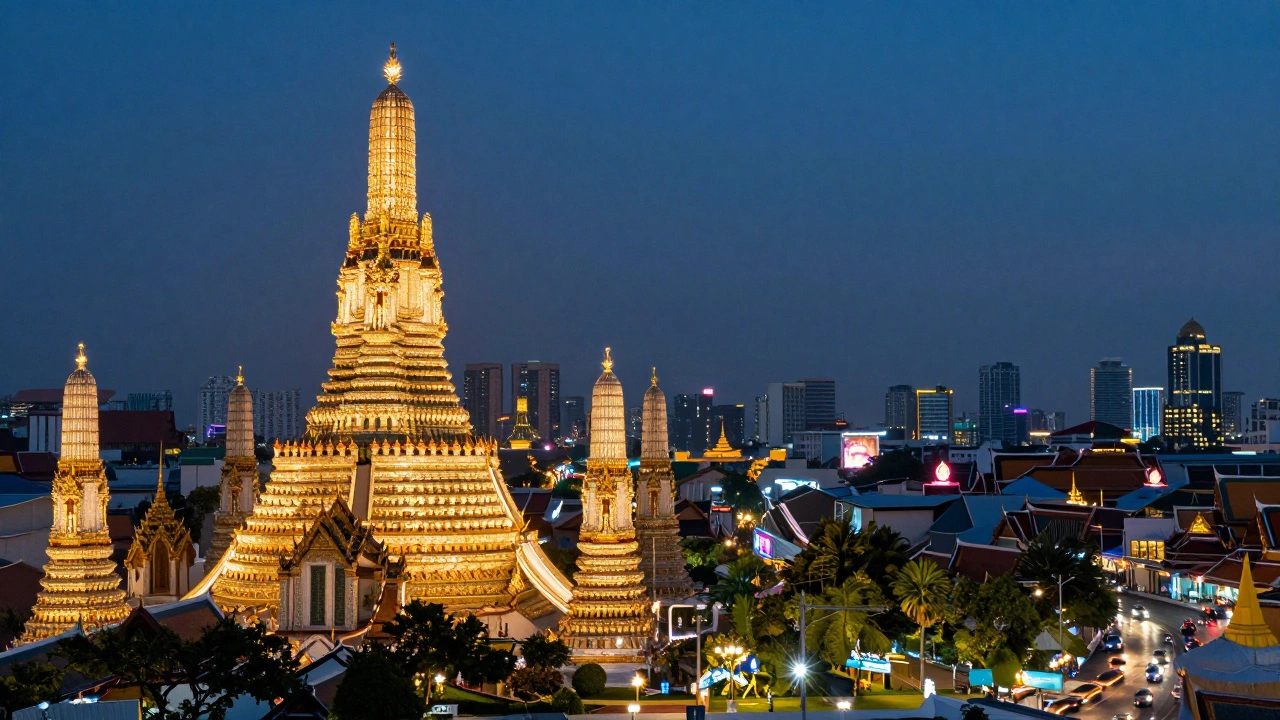
Bangkok is a city of stark contrasts. You can visit the golden spires of Wat Arun in the morning and find yourself in the neon-lit chaos of Sukhumvit by night. For many travelers, the city’s reputation for its vibrant nightlife is a major draw. However, navigating this side of Bangkok requires more than just curiosity; it demands awareness, respect, and a clear understanding of local laws and social dynamics. The idea of categorizing people involved in sex work is not only ethically problematic but also legally complex and often dangerous for tourists who may misunderstand the situation.
Instead of focusing on harmful stereotypes or illegal activities, let’s look at what you actually need to know to stay safe, enjoy the city’s legitimate entertainment, and avoid common pitfalls. Understanding the geography of Bangkok’s nightlife, recognizing scam tactics, and knowing your legal boundaries are far more valuable skills for any visitor.
Understanding the Legal Landscape
First things first: prostitution is technically illegal in Thailand. While it exists openly in certain areas, this does not make it legal. This distinction matters because it means there is no consumer protection. If you engage in illegal activities, you have no recourse if you are scammed, robbed, or harmed. The police may turn a blind eye to certain establishments, but they also conduct regular raids. Being caught in such a raid can lead to fines, detention, and deportation, ruining your trip and potentially barring you from re-entering the country.
The law aims to protect human rights and prevent trafficking. Many individuals working in these environments are victims of exploitation rather than willing participants. Recognizing this reality shifts the perspective from one of consumption to one of empathy and caution. It’s crucial to approach the topic with seriousness, avoiding objectifying language or the notion that there are distinct 'types' to be collected or categorized. Each person has a story, often involving difficult circumstances, and treating them as mere objects disrespects their humanity and violates Thai cultural norms of dignity.
Key Areas to Know and Avoid
Bangkok’s nightlife is concentrated in specific zones. Knowing where these are helps you navigate safely. Some areas are known for legitimate bars and clubs, while others have a higher prevalence of illegal activities and associated risks.
- Sukhumvit (Soi 11, Soi 25): These streets are famous for their go-go bars and late-night entertainment. While popular with tourists, they can be expensive and prone to scams. Prices are rarely posted clearly, and hidden fees are common.
- Patpong: Located in Silom, Patpong is perhaps the most well-known red-light district. It attracts a large number of tourists, which makes it a hotspot for pickpocketing and overcharging. Walking through here requires extra vigilance.
- Nana Plaza: Another hub on Sukhumvit, Nana Plaza is similar to Soi 11 in terms of atmosphere and risk factors. It’s loud, crowded, and can feel overwhelming for first-time visitors.
- Khaosan Road: Known for its backpacker scene, Khaosan has a mix of bars, street food, and budget hotels. While generally safer than the dedicated red-light districts, it still has its share of scams targeting unsuspecting travelers.
If you’re looking for a more authentic and respectful experience, consider exploring the city’s legitimate bar scenes in areas like Thonglor or Ekkamai. These neighborhoods offer high-quality cocktails, live music, and a sophisticated atmosphere without the pressure and risks associated with the red-light districts. For those interested in professional companionship services that operate within legal frameworks, some platforms provide information about Bangkok escort services, though it is essential to verify the legality and legitimacy of any service before engaging.
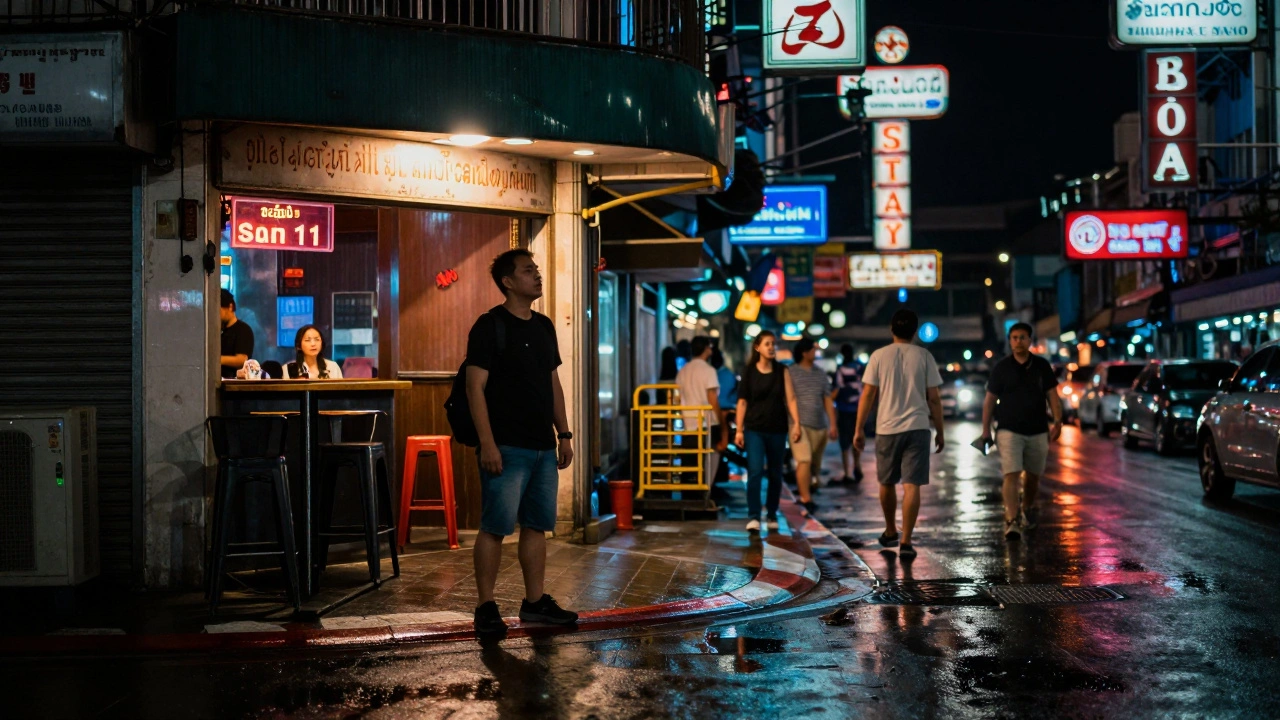
Common Scams to Watch Out For
Tourists are prime targets for scams in Bangkok’s nightlife. Here are a few common ones to keep an eye out for:
- The Drink Switch: A friendly stranger buys you a drink, then leaves. When you return to your table, you’re presented with a bill for hundreds of dollars. Always keep an eye on your drink and confirm prices beforehand.
- The Fake Bar: You enter a bar that looks normal, but when you try to leave, you realize you’re trapped. Bouncers demand payment for drinks you didn’t order or inflate the cost of what you did. Stick to well-known, reputable establishments.
- The Taxi Overcharge: Taxis in these areas often refuse to use the meter. Insist on using the meter or negotiate a price before getting in. Ride-hailing apps like Grab are a safer alternative.
- The 'Free' Massage: Someone offers you a free massage or drink, leading you into a shop where you’re pressured to pay exorbitant amounts. Politely decline unsolicited offers.
These scams rely on confusion, intimidation, and the assumption that tourists don’t know better. By staying alert and trusting your instincts, you can avoid most of them. If you feel uncomfortable, leave immediately. Don’t worry about being rude; your safety comes first.
Cultural Etiquette and Respect
Thailand is known as the 'Land of Smiles,' and this reflects a deep-seated cultural value of harmony and respect. Even in the nightlife scene, maintaining politeness is key. Shouting, aggressive behavior, or public displays of anger are frowned upon and can escalate situations quickly. Remember that monks, royalty, and national symbols hold special reverence, and disrespecting them can lead to serious legal consequences.
Dress modestly when visiting temples or traditional sites, even if you plan to party later. This shows respect for local customs and helps you blend in more easily. Also, be mindful of photography. Taking pictures of people without permission, especially in sensitive areas, can cause offense and conflict. Always ask first.
Respect extends to how you interact with service staff, drivers, and fellow patrons. A simple 'sawasdee krub/ka' (hello) goes a long way in building positive connections. Thais appreciate effort to learn basic phrases and show courtesy. This mindset will serve you well beyond the nightlife scene, enhancing your overall travel experience.
Safety Tips for Nighttime Exploration
Staying safe in Bangkok at night doesn’t mean avoiding fun; it means being smart. Here are some practical tips:
- Keep Copies of Important Documents: Leave your passport in your hotel safe. Carry a photocopy or digital version instead. Losing your passport in a chaotic environment is a nightmare.
- Use Trusted Transportation: As mentioned, use Grab or official taxis with meters. Avoid unmarked vehicles offered by strangers.
- Stay Sober and Aware: Alcohol lowers inhibitions and judgment. Know your limits and never accept drinks from people you don’t trust. Keep your phone charged and accessible.
- Share Your Location: Let someone you trust know where you are going and when you expect to return. Check in periodically if possible.
- Avoid Confrontation: If something feels wrong, walk away. Arguing or confronting scammers or aggressive individuals can lead to violence. De-escalate and seek help from authorities if needed.
For travelers seeking companionship, it’s important to understand the difference between legal and illegal services. Some websites advertise escort Bangkok services, but users must exercise extreme caution and ensure all interactions comply with local laws to avoid legal trouble or personal harm.
Alternatives to Red-Light Districts
Bangkok offers so much more than its notorious nightlife. Why limit your experience to areas associated with risk and exploitation? Consider these alternatives:
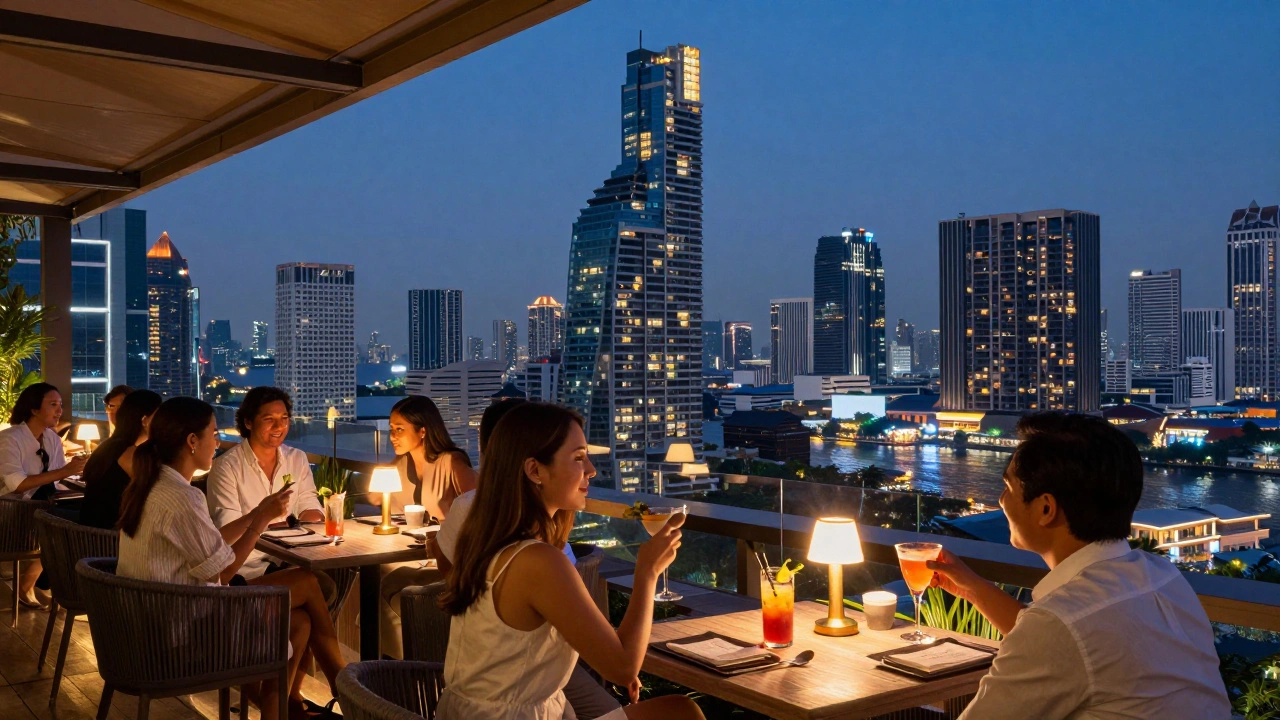
- Rooftop Bars: Enjoy stunning views of the skyline at places like Sky Bar or Octave. Dress codes apply, but the ambiance is sophisticated and safe.
- Live Music Venues: Explore jazz clubs in Ari or rock bars in Thong Lor. These spots attract locals and expats, offering a genuine cultural exchange.
- Street Food Tours: Experience Bangkok’s culinary fame through guided tours. It’s delicious, affordable, and a great way to meet other travelers.
- Cultural Shows: Catch a Muay Thai fight or a traditional dance performance. These events showcase Thai heritage and are entertaining for all ages.
By choosing these options, you support local businesses and contribute positively to the community. You’ll also create memories that are enriching rather than regrettable.
Is it safe to walk alone in Bangkok at night?
In general, yes, but caution is advised. Well-lit, busy areas like Siam or Silom are relatively safe. However, avoid poorly lit alleys and isolated streets. Stay aware of your surroundings, keep valuables hidden, and trust your instincts. If you feel unsafe, move to a populated area or call for help.
What should I do if I encounter a scammer?
Don’t engage physically. Calmly state that you won’t pay and leave the area immediately. If threatened, contact the police (dial 191) or seek assistance from nearby businesses. Document the incident with photos or videos if possible, and report it to your embassy if necessary.
Are go-go bars legal in Thailand?
No, prostitution is illegal in Thailand. Go-go bars operate in a legal gray area, often facing raids. While dancing is permitted, any sexual activity outside licensed venues is prohibited. Engaging in illegal acts puts you at risk of arrest and deportation.
How can I respect Thai culture while enjoying nightlife?
Dress appropriately, speak politely, and avoid public disputes. Show respect for local customs, such as removing shoes when entering homes or temples. Be mindful of noise levels and behave considerately towards others. Learning basic Thai phrases demonstrates goodwill and earns respect.
What are the best ways to get around Bangkok at night?
Use ride-hailing apps like Grab or Bolt for convenience and safety. Official taxis with meters are also reliable. Avoid tuk-tuks in red-light districts unless you’ve negotiated a fair price beforehand. Public transport like the BTS Skytrain operates until midnight, making it a quick and cheap option for returning to central areas.
Write a comment