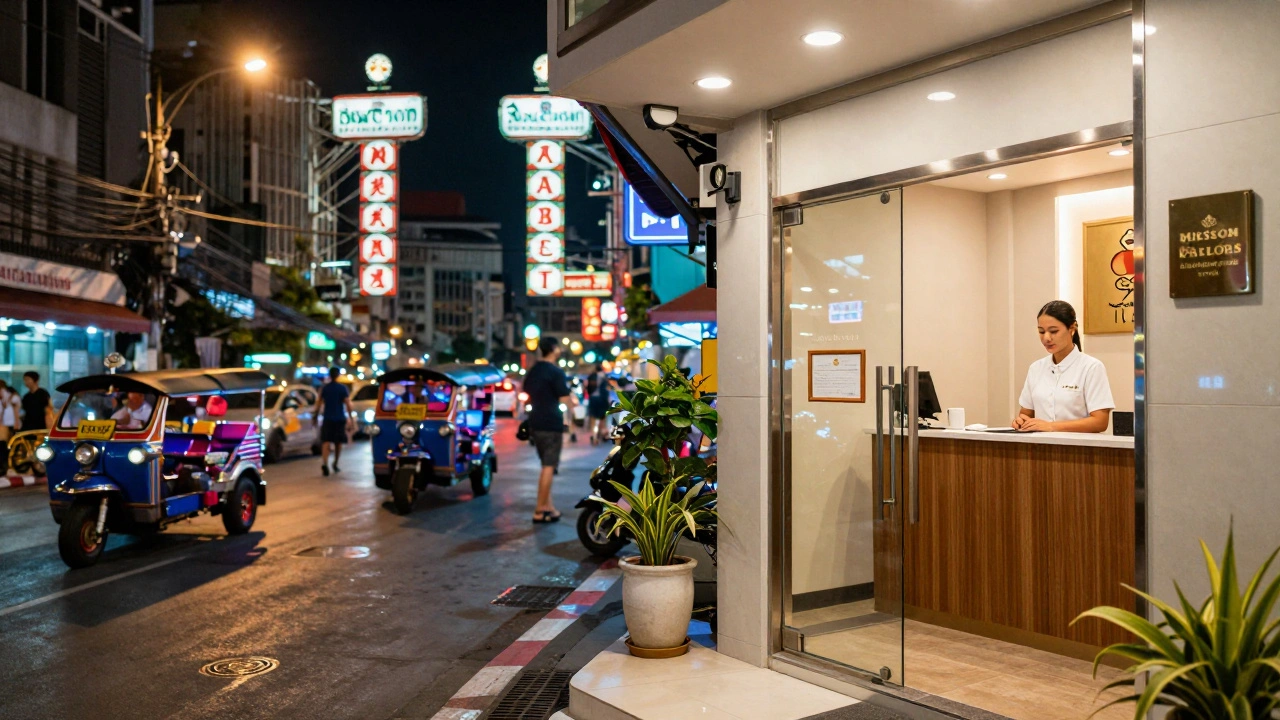
Walking through the bustling streets of Bangkok at night, you might notice countless signs advertising massage services. The city is famous for its traditional Thai healing practices, but it’s also a place where tourists can easily get confused about what is legal and what isn’t. If you are looking for a relaxing experience after a long day of sightseeing, understanding the landscape is crucial. Many travelers make the mistake of assuming all 'outcall' services are the same, leading to unpleasant surprises or even legal trouble.
The reality is that Thailand has strict laws regarding massage and wellness services. Legitimate businesses operate with proper licenses, employ certified therapists, and focus on health and relaxation. On the other hand, there are many unregulated operations that prey on tourists looking for something else entirely. This guide will help you navigate the options safely, ensuring you get the quality service you deserve without any risks.
Understanding the Legal Landscape
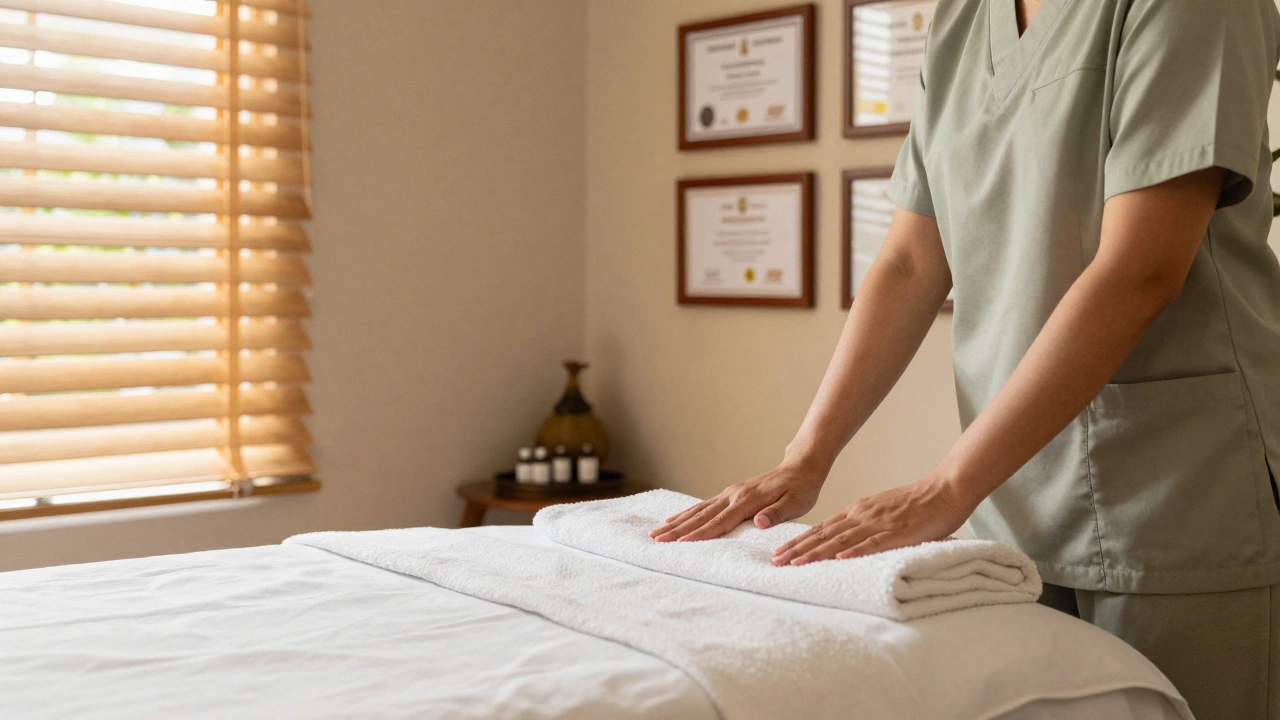
Thailand’s Ministry of Public Health regulates massage parlors strictly. To operate legally, a business must have a license displayed prominently, usually near the entrance. Therapists should wear uniforms and have certificates from recognized training schools like Wat Pho or the National Institute of Development of Administration (NIDA). If a place looks shady, has no clear pricing, or offers services that seem too good to be true, it’s best to walk away.
Many tourists fall into traps because they don’t know the difference between a licensed spa and an illegal operation. Licensed spas offer services like Traditional Thai Massage, Swedish Massage, and Aromatherapy. These are therapeutic treatments designed to relieve muscle tension and improve circulation. Illegal operations often disguise themselves as massage parlors but engage in activities that violate Thai law. Staying informed protects you and supports the local economy by choosing ethical businesses.
What to Look for in a Reputable Spa
When searching for a reliable outcall service or visiting a physical location, pay attention to these key indicators:
- Licensing: Check for a valid massage license issued by the Department of Health Service Support. It should be visible and up-to-date.
- Uniforms: Therapists should wear clean, professional attire. In legitimate places, this is often a simple uniform provided by the spa.
- Pricing Transparency: Prices should be clearly listed. Hidden fees or vague descriptions are red flags.
- Reviews: Look for reviews on trusted platforms like TripAdvisor or Google Maps. Genuine feedback from other travelers can give you insight into the quality of service.
- Location: Established spas are often located in tourist-friendly areas like Sukhumvit, Silom, or Khao San Road, but always verify their credentials regardless of location.
Avoid places that advertise explicitly sexual services. Not only is this illegal, but it also puts you at risk of scams or worse. There are plenty of high-quality, professional spas in Bangkok that offer excellent massages without any questionable elements. For example, some well-known chains like Health Land or Let’s Relax have multiple branches across the city and maintain high standards of hygiene and professionalism.
Safety Tips for Tourists
Your safety should always come first. Here are some practical tips to keep in mind:
- Research Ahead: Before booking any service, do your homework. Read reviews and check if the business is registered.
- Use Official Channels: Book through hotel concierges or reputable apps rather than responding to street touts. Hotels often have partnerships with verified spas.
- Trust Your Instincts: If something feels off, leave immediately. Don’t feel pressured to stay just because you’ve already paid or arrived.
- Keep Valuables Secure: While getting a massage, keep your phone, wallet, and passport in a safe place. Some tourists report theft from poorly secured spas.
- Know Emergency Contacts: Save the number for local police (191) and your country’s embassy in case of emergencies.
It’s also worth noting that while some websites may claim to offer discreet services, such claims often lead to illegal activities. Always prioritize legality and safety over convenience. There are numerous resources available online that list vetted spas, including directories maintained by tourism boards. Using these resources can save you time and ensure a positive experience.
Common Scams to Avoid
Bangkok, like many major cities, has its share of scams targeting tourists. One common tactic involves fake taxis or tuk-tuks taking you to overpriced shops or spas where you’re forced to buy goods or services. Another scam involves inflated prices once you’re inside the establishment. To avoid these:
- Agree on the price before entering any vehicle or spa.
- Use ride-hailing apps like Grab or Bolt instead of hailing random cabs.
- Be wary of overly friendly strangers who insist on showing you “the best” spots-they often receive commissions for bringing customers.
If you encounter a scam, report it to local authorities or your hotel staff. They can assist you in resolving the issue and preventing others from falling victim to the same trick. Remember, being vigilant doesn’t mean you can’t enjoy your trip-it means you’re prepared to handle unexpected situations.
Alternative Options for Relaxation
If you’re unsure about finding a reliable outcall service, consider alternative ways to unwind in Bangkok. The city offers numerous public parks, rooftop bars, and cultural experiences that provide relaxation without the hassle of navigating potentially risky scenarios. For instance, visiting Lumpini Park early in the morning allows you to watch locals practice Tai Chi and enjoy the serene environment. Alternatively, booking a sunset cruise along the Chao Phraya River provides a peaceful escape from the urban heat.
Another option is trying yoga studios or meditation centers, which are becoming increasingly popular among expats and tourists alike. Places like Prana Yoga Studio or The Sanctuary offer classes tailored to all levels, helping you find balance amidst the chaos of city life. These activities not only promote physical well-being but also connect you with the community in meaningful ways.

Why Professionalism Matters
Choosing a professional spa ensures you receive treatment from skilled practitioners who understand anatomy and therapy techniques. Certified therapists undergo rigorous training to master methods like acupressure, stretching, and oil application. This expertise translates into better results, whether you’re dealing with chronic pain or simply seeking relaxation.
In contrast, unlicensed operators may lack proper education, increasing the risk of injury during sessions. Imagine paying for a massage only to end up with bruised muscles or strained joints due to improper technique. By supporting legitimate businesses, you contribute to maintaining high industry standards and protecting yourself from harm.
Final Thoughts
Finding a great massage in Bangkok shouldn’t involve guesswork or compromise. With so many excellent options available, there’s no reason to settle for anything less than top-notch service. Prioritize safety, legality, and quality when making your choice. Whether you opt for a visit to a renowned chain or explore lesser-known gems, approach each decision thoughtfully.
Remember, your vacation memories should be filled with joy and relaxation-not stress or regret. By following the guidelines outlined here, you’ll set yourself up for success and create lasting impressions of Thailand’s hospitality. Enjoy every moment responsibly!
Is it safe to book outcall massages in Bangkok?
Yes, as long as you choose licensed and reputable providers. Always verify credentials and read reviews before booking. Avoid places offering explicit services, as these are illegal and unsafe.
How much does a typical massage cost in Bangkok?
Prices vary depending on the type of massage and location. A standard one-hour session ranges from 300 to 800 THB ($9-$25 USD). Luxury spas may charge more, while budget-friendly options exist in quieter neighborhoods.
Are there any restrictions on foreigners receiving massages?
No specific restrictions apply to foreigners. However, participating in illegal activities related to prostitution carries severe penalties under Thai law. Stick to licensed establishments to avoid complications.
What types of massages are most popular in Bangkok?
Traditional Thai Massage, known for its deep stretches and pressure points, remains highly sought after. Other favorites include Foot Reflexology, Hot Stone Therapy, and Herbal Compress treatments.
Can I tip my masseuse in Bangkok?
Tipping is appreciated but not mandatory. Leaving 50-100 THB ($1.50-$3 USD) shows gratitude for good service. Some upscale venues include gratuity in the bill, so check beforehand.
Write a comment