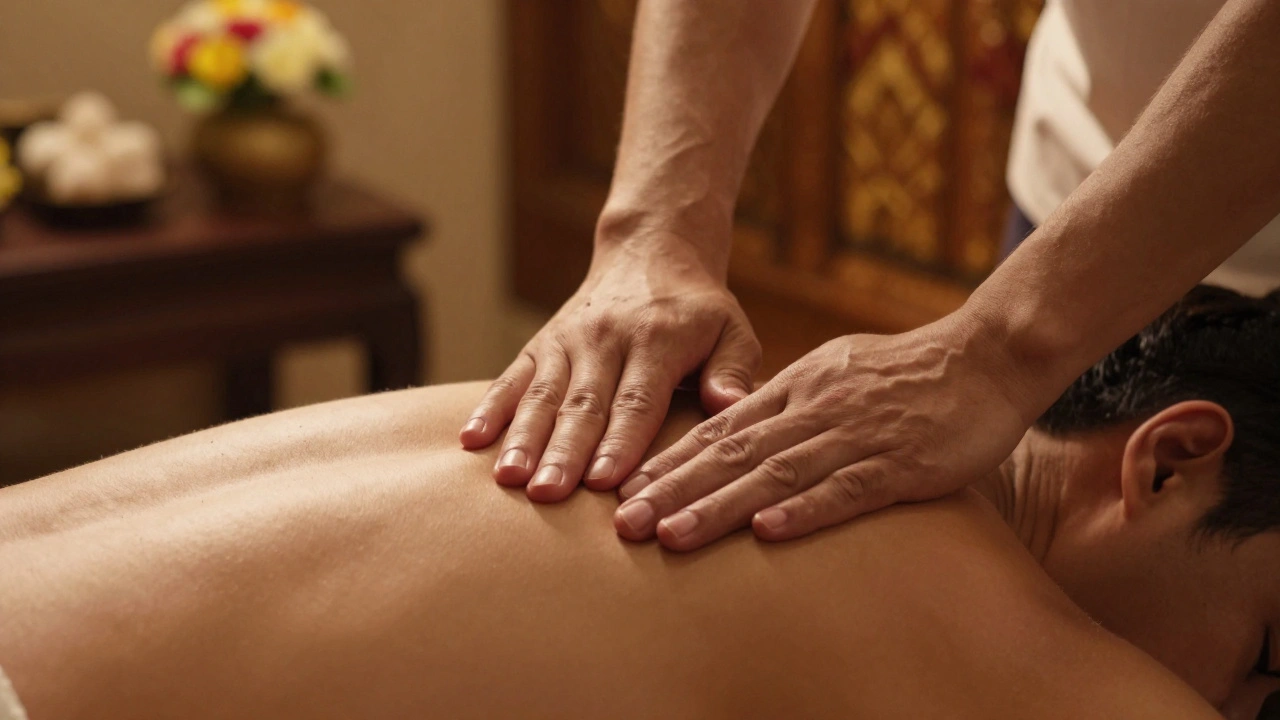
Have you ever walked into a room and felt an immediate sense of calm because someone was gently working on your shoulders? That feeling isn't just in your head. It is a biological response to what experts call healing hands. This concept goes far beyond simple relaxation. It touches on the deep connection between physical touch and our nervous system's ability to repair itself.
We often think of healing as something that happens inside a hospital or through medication. But some of the most powerful recovery tools are tactile. From the precise pressure of a chiropractor to the rhythmic strokes of a massage therapist, manual intervention can shift our body from a state of stress to a state of restoration. Understanding how this works helps us appreciate why we crave human contact when we are sick or injured.
The Biology Behind the Touch
To understand why therapeutic touch is a practice that uses gentle hand movements to influence the energy field surrounding the body effective, we have to look at biology. Your skin is your largest organ, and it is packed with nerve endings. When a therapist applies pressure, those nerves send signals directly to your brain.
This process triggers the release of oxytocin, often called the "love hormone." Oxytocin lowers cortisol levels, which is the primary stress hormone. At the same time, it boosts serotonin and dopamine. This chemical cocktail doesn't just make you feel good; it actually reduces inflammation and speeds up tissue repair. It is not magic. It is physiology.
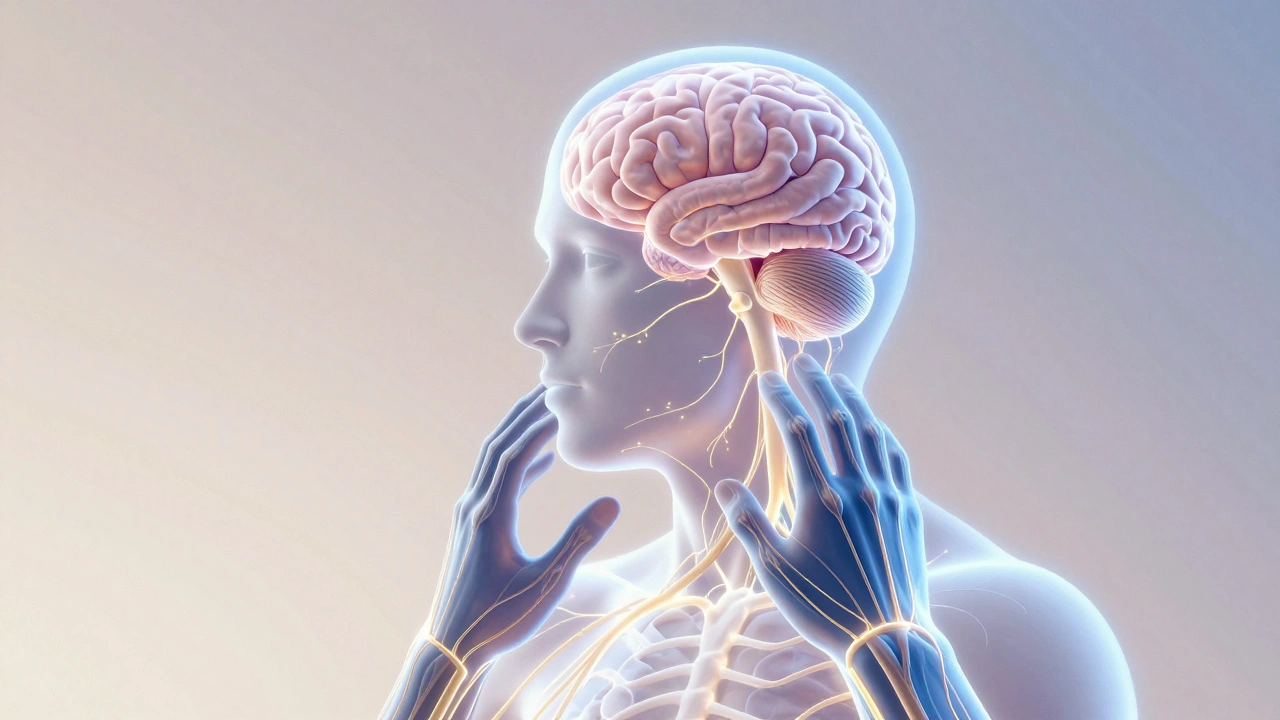
Consider the vagus nerve. This long cranial nerve runs from your brainstem down to your abdomen. It controls your parasympathetic nervous system, which is responsible for rest and digestion. Gentle, rhythmic touch stimulates the vagus nerve, slowing your heart rate and lowering blood pressure. This is why patients recovering from surgery often benefit from light touch therapy alongside their medical treatment.
Types of Manual Therapy
Not all hands-on treatments are created equal. Different techniques target different issues. Knowing the difference can help you choose the right approach for your specific needs.
| Therapy Type | Primary Focus | Best For |
|---|---|---|
| Deep Tissue Massage | Muscle knots and chronic tension | Athletes, chronic back pain |
| Swedish Massage | Circulation and relaxation | Stress relief, general wellness |
| Myofascial Release | Fascia (connective tissue) | Restricted movement, post-injury stiffness |
| Craniosacral Therapy | Cranial bones and spinal fluid flow | Headaches, migraines, anxiety |
Each of these methods relies on the practitioner's ability to read the body. A skilled therapist can feel temperature changes, texture differences, and tension patterns that you might not even notice. This sensory feedback loop allows them to adjust their technique in real-time, ensuring they are addressing the root cause rather than just the symptom.
The Role of Intent and Presence
There is a subjective element to healing hands that science is only beginning to measure. It is often referred to as "presence" or "intent." Studies in placebo-controlled trials have shown that the quality of the interaction matters as much as the technique itself.
When a practitioner is fully present-listening to your breath, watching your facial expressions, and adjusting their pressure accordingly-the therapeutic effect amplifies. This is known as the non-specific effect of care. You heal faster not just because of the manipulation, but because you feel heard and safe. Safety is a prerequisite for healing. If your body feels threatened, it stays in fight-or-flight mode. If it feels held and supported, it can switch into repair mode.
This dynamic is crucial in palliative care and hospice settings. Patients facing terminal illnesses often report significant reductions in pain and anxiety simply through the act of being touched with compassion. The hands become a conduit for empathy, bridging the gap between suffering and comfort.
Self-Healing Through Touch
You don't always need a professional to experience the benefits of tactile therapy. Self-massage and self-touch can be powerful tools for managing daily stress and minor ailments. The key is intentionality. Mindlessly rubbing your temples won't have the same effect as consciously applying pressure while focusing on your breath.
Try this simple exercise: Place your palms over your eyes. Feel the warmth of your hands transferring to your face. Breathe slowly. Notice how your jaw unclenches. Now, press gently into the base of your skull where it meets your neck. Hold for ten seconds. Release. Repeat. This simple act stimulates the trigeminal nerve and promotes relaxation.
Incorporating self-touch into your routine can also improve body awareness. Many people live disconnected from their physical selves, ignoring signals of tension until they become pain. Regularly checking in with your body through touch helps you catch these issues early. It turns you into your own first line of defense against chronic stress.

Ethical Boundaries in Healing Practices
While the power of touch is undeniable, it must be exercised within strict ethical boundaries. Consent is paramount. In any therapeutic setting, whether it is a clinic or a home visit, the client must explicitly agree to the type and extent of touch. This includes ongoing consent during the session.
Professional therapists undergo rigorous training in anatomy, physiology, and ethics. They learn how to maintain appropriate boundaries and how to handle vulnerable situations with respect. Unlicensed practitioners who lack this training can cause harm, both physically and emotionally. Always verify credentials before allowing someone to work on your body.
It is also important to recognize that touch is not universal. Cultural backgrounds and personal histories shape how individuals perceive touch. For some, certain types of contact may trigger trauma responses. A competent healer will ask about your history and preferences upfront, creating a safe space tailored to your needs.
The Future of Tactile Medicine
As technology advances, there is a growing interest in integrating tactile therapy into mainstream medicine. Hospitals are increasingly hiring massage therapists and acupuncturists to work alongside doctors. This holistic approach acknowledges that treating the mind and body separately is inefficient.
Research is also exploring the use of robotic devices that mimic human touch. While these machines can provide consistent pressure, they lack the intuitive adaptability of human hands. The future likely lies in a hybrid model, where technology assists practitioners but does not replace the human element. The empathy and intuition of a skilled therapist remain irreplaceable.
In a world that is increasingly digital and isolated, the value of physical connection is rising. Healing hands remind us that we are embodied beings. We need touch to thrive. By understanding and respecting this fundamental human need, we can unlock deeper levels of health and well-being.
Is therapeutic touch scientifically proven?
Yes, numerous studies show that therapeutic touch reduces stress hormones, lowers blood pressure, and decreases pain perception. While the "energy field" aspect is debated, the physiological benefits of gentle, intentional touch are well-documented in medical literature.
How often should I receive manual therapy?
Frequency depends on your goals. For acute injury, weekly sessions may be needed initially. For maintenance and stress relief, monthly sessions are often sufficient. Listen to your body and consult with your therapist for a personalized plan.
Can anyone learn to perform healing touch?
Basic self-care techniques can be learned by anyone. However, professional therapeutic touch requires extensive training in anatomy, ethics, and technique. It is not recommended to attempt advanced manipulations without proper certification to avoid injury.
What are the risks of massage therapy?
Risks are minimal when performed by a licensed professional. Potential side effects include temporary soreness or bruising. Serious injuries are rare but can occur if improper force is used or if contraindications like blood clots are ignored. Always disclose your medical history.
Does insurance cover therapeutic touch?
Coverage varies widely. Some plans cover massage therapy if prescribed by a doctor for a specific condition. Others do not cover it at all. Check with your provider and look for therapists who accept your insurance or offer sliding scale fees.
Write a comment