Understanding the Buzz Around Thai Soapy Massage
You’ve probably seen the term Thai soapy massage pop up in travel forums or social media feeds. It sounds exotic, maybe even a little mysterious. But what is it really? In short, it’s a type of body scrub treatment that uses soap bubbles and water to exfoliate the skin. However, there’s a catch. The term has become heavily associated with adult entertainment services in certain parts of Thailand, particularly in tourist-heavy areas like Bangkok.
If you’re looking for a genuine relaxation experience, it’s crucial to separate the legitimate spa treatments from the illicit services masquerading as wellness centers. Many travelers get confused because some establishments use vague marketing language to attract customers seeking more than just a massage. Understanding this distinction can save you from awkward situations, legal trouble, or simply wasting money on something that isn’t what you expected.
The Difference Between Legitimate Spa Treatments and Adult Services
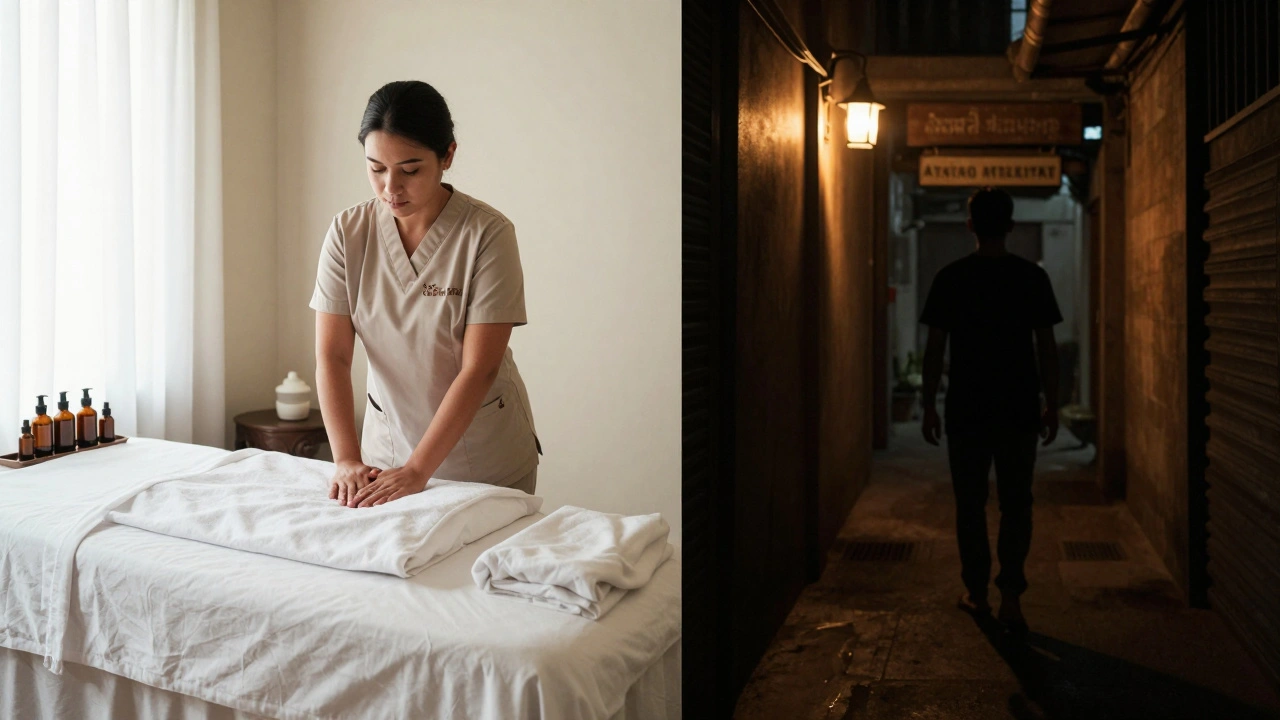
In Thailand, traditional Thai massage is a respected art form recognized by UNESCO. It involves stretching, acupressure, and rhythmic compression to relieve tension and improve energy flow. A standard Thai massage takes place in a clean, professional environment, often with soft music and essential oils. Therapists are trained professionals who follow strict ethical guidelines.
On the other hand, places advertising “soapy massages” or “happy endings” are usually operating outside the law. These venues often lack proper licensing, hygiene standards, and qualified staff. They may also be fronts for illegal activities. If you walk into a place where the receptionist speaks broken English, the lighting is dim, and there are no clear price lists posted, it’s likely not a legitimate spa.
To avoid confusion, look for spas affiliated with recognized associations like the Thailand National Tourism Authority (TAT). These organizations certify businesses that meet international health and safety standards. You’ll find their logos displayed prominently at the entrance or on official websites.
How to Spot a Red Flag Before Booking
Not every shady establishment looks the same, but there are common warning signs you should watch out for:
- No visible license or certification: Legitimate spas display their business permits and therapist credentials openly.
- Vague service descriptions: Phrases like “special treatment” or “private session” without details are often code for adult services.
- Street touts: People approaching you on the street offering discounted massages are rarely connected to reputable businesses.
- Cash-only payments: While small shops might prefer cash, larger scams often insist on it to avoid records.
If any of these apply, it’s best to keep walking. There are plenty of high-quality spas in Thailand that offer authentic experiences without hidden agendas.
Where to Find Authentic Thai Massage Experiences
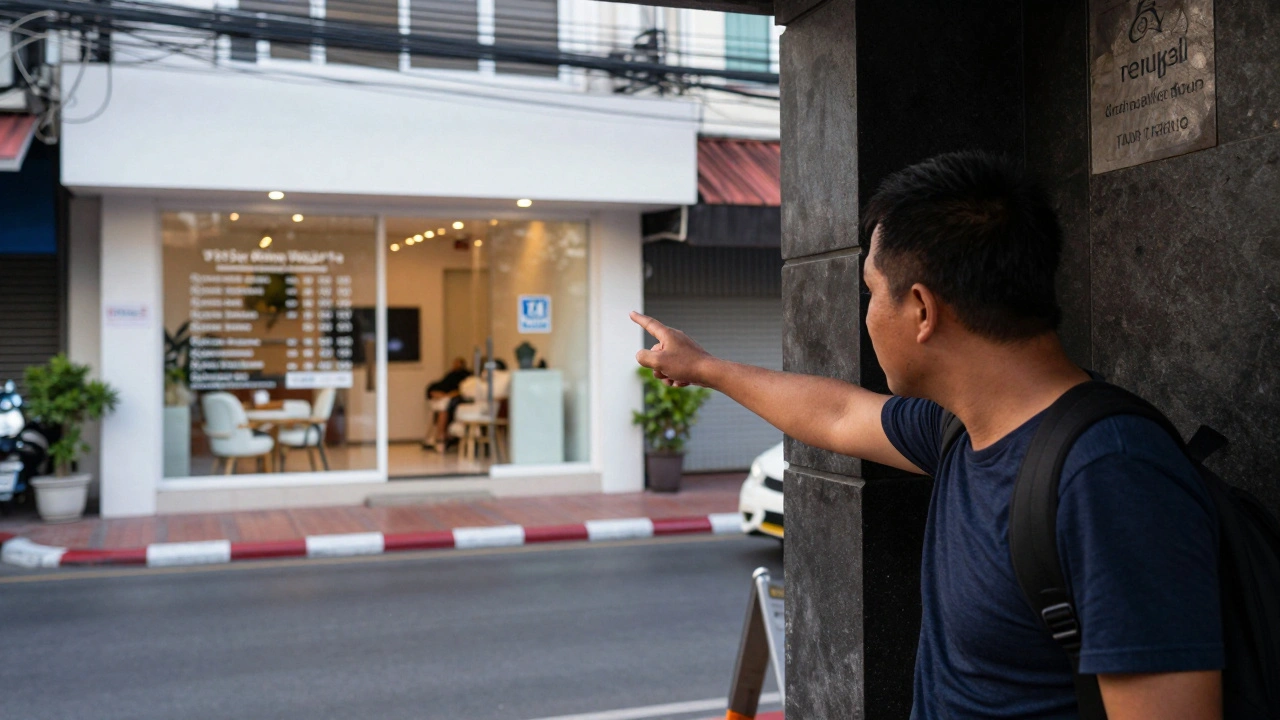
If you want to enjoy a real Thai massage, start your search in well-known districts such as Sukhumvit, Silom, or Khao San Road in Bangkok. Areas near major hotels and shopping malls tend to have stricter regulations and better oversight. Look for chains like Health Land, Let’s Relax, or Wat Pho Orchid Traditional Thai Massage Center. These brands have built reputations over decades and maintain consistent quality across multiple locations.
Another tip: check online reviews from verified users. Platforms like TripAdvisor or Google Maps provide insights from recent visitors. Pay attention to comments about cleanliness, professionalism, and value for money. Avoid places with only glowing five-star reviews written in poor grammar-these could be fake.
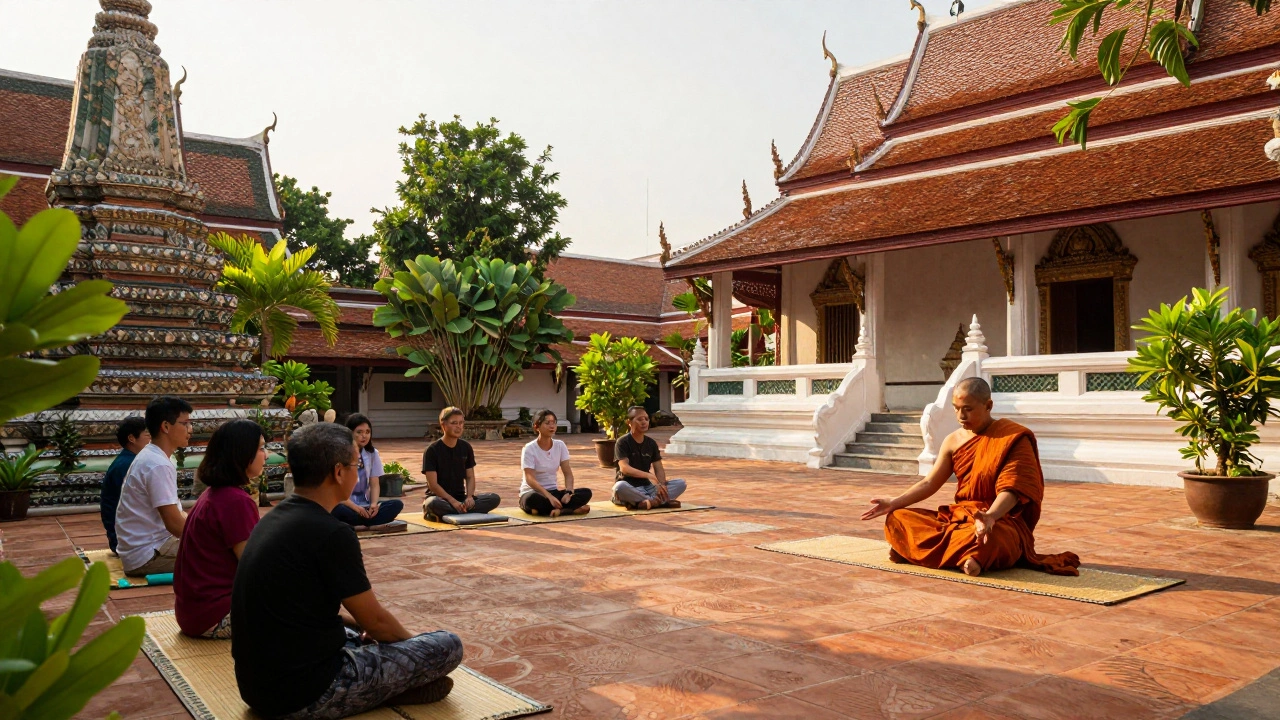
For those interested in learning more about local culture, consider visiting temples or cultural centers first. Places like Wat Pho in Bangkok offer introductory courses on traditional Thai massage techniques taught by monks. This gives you both education and an unforgettable experience rooted in history.
Safety First: Protecting Yourself During Travel
Traveling abroad always comes with risks, especially when navigating unfamiliar customs or industries. Here are some practical steps to stay safe while exploring Thailand’s wellness scene:
- Research ahead of time: Make a list of recommended spas before arriving. Use trusted sources like government tourism sites or hotel concierges.
- Stick to daytime visits: Most legitimate spas operate during daylight hours. Nighttime appointments raise suspicion unless booked through verified channels.
- Ask questions confidently: Don’t hesitate to ask about pricing, duration, and what exactly is included in the service. Reputable providers will gladly explain everything.
- Trust your instincts: If something feels off, leave immediately. Your comfort and safety matter more than politeness.
Remember, getting scammed or involved in illegal activity doesn’t just ruin your vacation-it can lead to fines, deportation, or worse. Always prioritize legality and transparency.
Why Some Tourists Still Seek Out Illicit Services
Despite warnings, many travelers continue searching for unofficial services due to curiosity, peer pressure, or misinformation. Social media plays a big role here. Influencers sometimes post suggestive content without clarifying whether they received actual massages or participated in illegal acts. Others share exaggerated stories that paint certain neighborhoods as adventurous playgrounds rather than potential danger zones.
Additionally, language barriers make communication difficult. Without fluent Thai or English, tourists struggle to verify claims made by locals. Scammers exploit this gap by using confusing terminology or pretending to misunderstand requests.
It’s important to recognize that engaging in prostitution-even if consensual-is against Thai law. Penalties range from heavy fines to imprisonment. Police raids happen regularly in popular tourist spots, and foreigners aren’t exempt from punishment.
Alternatives to Traditional Massage Therapy
If you’re open to trying new things beyond standard Thai massage, Thailand offers several unique alternatives worth exploring:
- Hua Hin Herbal Compress Massage: Uses warm herb-filled pouches applied to sore muscles for deep relief.
- Ayurvedic Oil Treatment: Combines Indian healing principles with aromatic oils tailored to individual body types.
- Foot Reflexology: Focuses on pressure points in the feet corresponding to different organs throughout the body.
- Hot Stone Therapy: Incorporates heated basalt stones placed along meridians to enhance circulation and reduce stress.
All of these options are widely available in certified spas and provide therapeutic benefits without crossing ethical lines. Plus, they give you a chance to immerse yourself in regional traditions safely.
What Happens After You Leave the Spa?
Once your session ends, take note of how you feel physically and mentally. Did you leave feeling refreshed and relaxed? Or did you sense discomfort or unease? Honest reflection helps guide future decisions. Keep receipts and contact information handy in case issues arise later, such as allergic reactions or billing disputes.
Also, document your experience privately. Writing down observations allows you to compare notes with fellow travelers or report problems to authorities if needed. Sharing feedback publicly via review platforms contributes to community awareness and holds businesses accountable.
| Feature | Legitimate Spa | Suspicious Venue |
|---|---|---|
| Licensing Displayed | Yes | No or Hidden |
| Pricing Transparency | Clear Menu Posted | Negotiated On-Site |
| Staff Uniforms | Professional Attire | Casual or Revealing Clothing |
| Booking Process | Online/Phone Reservation | Walk-In Only / Street Touts |
| Customer Reviews | Detailed Feedback Available | Few or Generic Comments |
Final Thoughts on Navigating Thailand’s Wellness Industry
Thailand remains one of the world’s top destinations for holistic health and rejuvenation. With millions of visitors each year seeking peace, pampering, and personal growth, the country continues investing in infrastructure and regulation to support sustainable tourism. By choosing responsibly operated facilities, you contribute positively to local economies while protecting yourself from harm.
Don’t let fear dictate your choices-but do let knowledge empower them. Educate yourself about red flags, trust credible resources, and embrace the rich heritage behind authentic Thai therapies. Doing so ensures memorable moments filled with tranquility instead of regret.
Is Thai soapy massage legal in Thailand?
No, services marketed under terms like “soapy massage” often involve illegal sexual activities prohibited under Thai law. Engaging in such practices can result in arrest, fines, or deportation.
How can I tell if a spa is legitimate?
Look for displayed licenses, transparent pricing menus, professional uniforms, and positive customer reviews. Legitimate spas welcome questions and operate during regular business hours.
Are all Thai massages the same?
No, there are various styles including traditional Thai, Ayurvedic, herbal compress, foot reflexology, and hot stone therapy. Each serves different purposes and caters to specific needs.
Should I book my massage online or walk in?
Booking online through verified platforms reduces risk significantly. Walk-ins increase exposure to unregulated operators who may target unsuspecting tourists.
What should I do if I suspect fraud after paying?
Contact local police non-emergency line or visit nearest embassy/consulate. Provide evidence including payment records, photos, and witness statements whenever possible.
Write a comment