
Have you ever seen an ad for a "happy ending" massage? It’s a term that pops up in late-night browser tabs and shady listings online. The promise is simple: a relaxing massage that ends with sexual gratification. But before you click book or walk into a dimly lit parlor, there is a lot more going on than just a good rubdown. This topic sits at the messy intersection of relaxation, illegal sex work, and serious personal risk.
Most people assume it's just a fun little extra service. In reality, booking a happy ending massage often means stepping into a world of legal trouble, health hazards, and exploitation. Let’s break down what this really means, why it’s dangerous, and how to find genuine relaxation without the risks.
Defining the Term and the Reality
First, let’s get clear on what we are talking about. A happy ending massage is not a recognized therapeutic technique. It is a euphemism used by illicit establishments to advertise sexual services disguised as bodywork. Legitimate massage therapists do not offer this. They follow strict codes of ethics that prohibit any sexual contact with clients.
When you see this term, it is usually a red flag. It signals that the business is operating outside the law. In many places, including most of the United States, exchanging money for sexual acts is illegal. Even if the massage part feels normal, the "ending" turns the entire transaction into prostitution. This changes everything from your legal standing to your physical safety.
You might wonder why these services exist if they are illegal. The answer is demand. People want intimacy and relaxation, sometimes all at once. But the underground nature of these services creates a vacuum where predators thrive. There are no inspections, no licenses, and no recourse if something goes wrong.
The Legal Risks Involved
Let’s talk about the law. If you book a happy ending massage, you are likely committing a crime. In the U.S., prostitution laws vary by state, but in most jurisdictions, paying for sex is a misdemeanor or even a felony. The consequences can be severe:
- Criminal record: A conviction stays with you forever, affecting jobs and housing.
- Fines and jail time: Depending on local statutes, you could face months behind bars.
- Public shaming: Some states publish names of those arrested for solicitation.
Police sting operations are common. Undercover officers pose as workers to catch clients. You think you’re getting a private session; instead, you’re getting handcuffed. It happens more often than you’d think. And because these businesses operate in shadows, there is no contract to protect you. You have zero legal rights if you are scammed, robbed, or assaulted.
Even in countries where sex work is legal, like parts of Thailand or Germany, regulations are strict. Unlicensed venues still face crackdowns. For example, while some areas in Bangkok have tolerated certain districts, authorities frequently raid unregistered establishments. Travelers who seek out unregulated services risk deportation or imprisonment under local anti-trafficking laws. Searching for terms like Bangkok escort might lead you to sites claiming legality, but many operate in gray zones that can suddenly turn black.
Safety and Health Hazards
Beyond the law, there is your physical well-being. Illicit massage parlors are notorious for being unsafe environments. Here is what you need to know:
- Sexually Transmitted Infections (STIs): Without proper screening and protection, STIs spread easily. Gonorrhea, chlamydia, HIV, and herpes are real risks. Many workers in these settings cannot afford regular testing or refuse to use barriers due to client pressure.
- Violence and Robbery: These locations attract criminal elements. Clients have been beaten, kidnapped, or robbed after receiving services. Because the activity is illegal, victims rarely report crimes to police.
- Human Trafficking: This is the darkest side of the industry. Many workers in unregulated massage parlors are victims of trafficking. They are forced to provide sexual services against their will. By participating, you may inadvertently support a system of abuse and coercion.
Think about it. Would you go to a restaurant that failed health inspection three times? Probably not. So why take chances with your body and safety in an unregulated setting? The stakes are much higher here.

The Ethical Dilemma
There is also a moral component to consider. The global demand for cheap sexual services fuels human trafficking networks. According to the International Labour Organization, millions of people worldwide are trapped in forced labor, including the sex trade. Much of this exploitation hides behind the facade of massage businesses.
When you pay for a happy ending, you are feeding a market that preys on vulnerable individuals. Many workers come from economically disadvantaged backgrounds or have been deceived with promises of legitimate jobs abroad. Once there, their passports are confiscated, and they are forced to work off impossible debts.
Choosing ethical alternatives matters. Supporting licensed massage therapists helps build a professional industry that respects boundaries and prioritizes health. It sends a message that consent, safety, and legality matter.
How to Spot a Scam or Illegal Parlor
If you are looking for a genuine massage, knowing how to avoid these traps is crucial. Here are signs that a place is offering illegal services:
- Vague Descriptions: Ads that mention "happy endings," "special treatments," or "extras" without detailing the therapy type.
- Low Prices: Rates significantly below market value often indicate hidden costs or illegal activities.
- Poor Online Presence: No website, fake reviews, or only social media accounts with minimal engagement.
- Discreet Locations: Places hidden in residential buildings, motels, or areas known for vice.
- No Licensing Info: Legitimate spas display their therapist licenses prominently. If they won’t show them, run.
A quick search for escort Bangkok results might seem tempting for travelers, but these links often lead to unverified agencies. Always verify credentials through official tourism boards or reputable booking platforms.
Finding Safe and Legal Alternatives
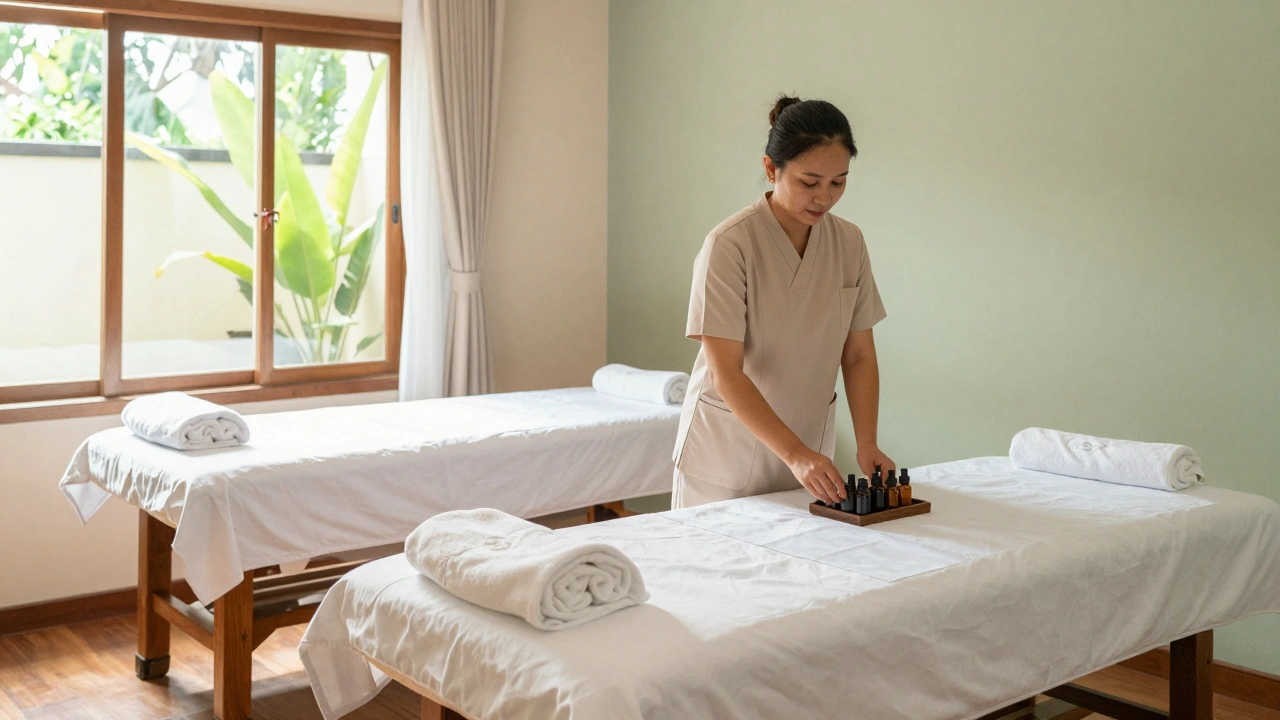
You don’t need to risk your freedom or health to feel relaxed. There are plenty of excellent, legal options available. Here is how to find a trustworthy massage therapist:
- Check Credentials: Look for certifications from recognized bodies like the National Certification Board for Therapeutic Massage and Bodywork (NCBTMB) in the U.S. or equivalent organizations in other countries.
- Read Reviews: Use platforms like Yelp, Google Maps, or TripAdvisor. Look for consistent praise about professionalism and hygiene.
- Ask Questions: Call ahead. Ask about their techniques, training, and policies. A legitimate therapist will be happy to explain their approach.
- Visit Established Spas: Hotels, wellness centers, and medical clinics often employ vetted professionals. These places prioritize reputation and compliance.
- Trust Your Gut: If something feels off during the consultation or initial session, leave. Your comfort and safety come first.
Investing in a high-quality, legal massage provides real benefits. Studies show that therapeutic massage reduces stress, lowers blood pressure, and improves sleep. It enhances mental clarity and physical recovery. These outcomes are worth far more than a fleeting moment of pleasure that comes with significant downsides.
Understanding Consent and Boundaries
In any professional relationship, boundaries are key. Licensed massage therapists undergo extensive training in anatomy, physiology, and ethics. They understand the importance of maintaining a professional distance. Sexual advances from clients are strictly prohibited and can result in immediate termination and loss of license.
This isn’t about being uptight; it’s about respect. When both parties agree on the scope of service beforehand, everyone feels secure. Clear communication ensures that the focus remains on healing and relaxation. If a therapist ever crosses a line, you have the right to stop the session and report them to their licensing board.
Conversely, clients must respect the therapist’s space. Dress codes, draping protocols, and touch limits exist for a reason. Adhering to these guidelines fosters a positive experience for both sides. It transforms the massage from a transactional encounter into a holistic wellness practice.
The Impact on the Industry
The stigma associated with happy ending massages hurts the entire profession. Many talented therapists struggle to gain respect because of the actions of a few bad actors. Media portrayals often lump all massage businesses together, ignoring the rigorous education and dedication required to become a certified practitioner.
By choosing legal services, you help elevate the industry. You support businesses that invest in clean facilities, fair wages, and continuous education. You contribute to a culture where massage is viewed as healthcare, not entertainment. This shift benefits everyone, creating safer communities and better access to therapeutic care.
Consider this: every dollar spent at a licensed spa goes toward improving standards. It funds research into new techniques, supports advocacy for workers’ rights, and promotes public awareness. Your choice has ripple effects beyond your own experience.
Is a happy ending massage illegal?
Yes, in most jurisdictions, including the majority of the United States, paying for sexual services is illegal. It falls under prostitution laws, which can lead to arrest, fines, and a criminal record.
Are there any legal happy ending massages?
No. Legitimate massage therapy does not include sexual services. Any establishment advertising such services is operating illegally and violates professional ethics codes.
What are the health risks?
Risks include sexually transmitted infections (STIs), violence, robbery, and exposure to human trafficking. Unregulated environments lack safety protocols and medical oversight.
How can I find a reputable massage therapist?
Look for licensed professionals with certifications from recognized boards. Check online reviews, visit established spas, and ask questions about their training and policies before booking.
Why do these services persist despite being illegal?
Demand drives the market. Despite legal risks, some consumers seek out these services for intimacy or novelty. This demand sustains underground networks that exploit vulnerable populations.
Write a comment