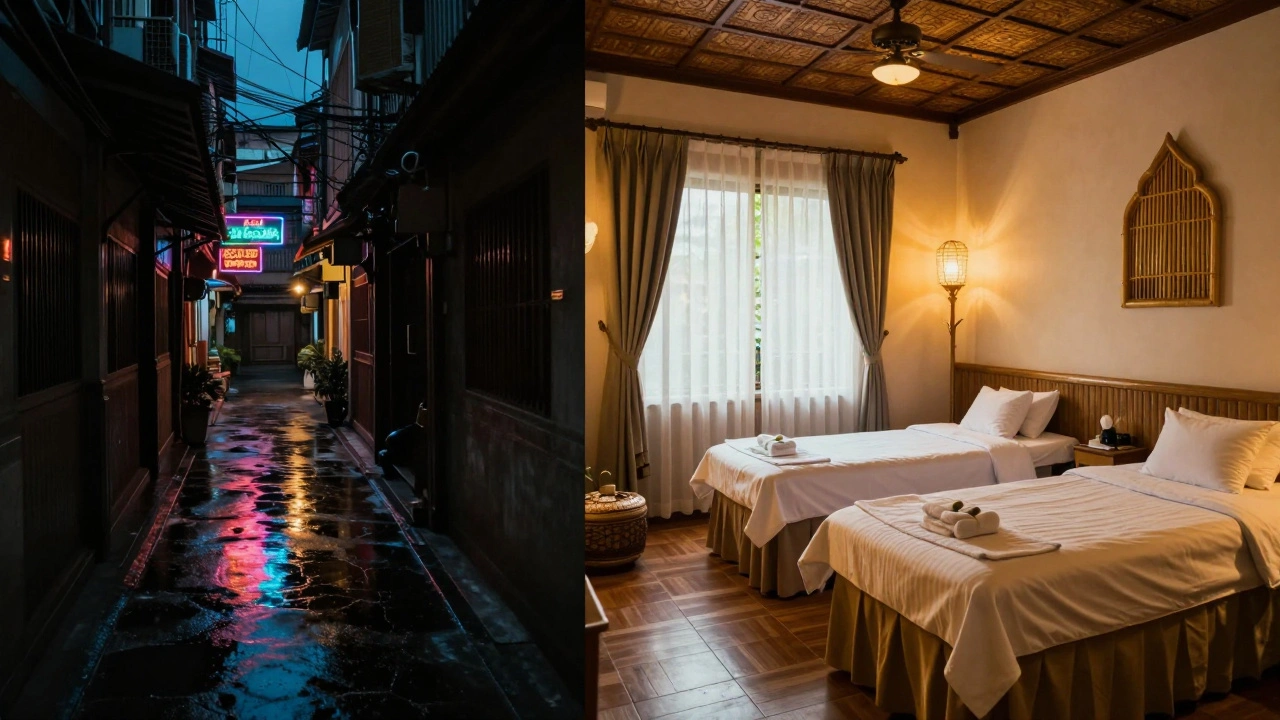
You’ve heard the rumors. Maybe you’ve seen the ads on your phone while scrolling through social media late at night. The promise is seductive: a body-to-body massage in Thailand that goes far beyond relaxation. But here’s the hard truth most travel blogs won’t tell you: what sounds like an exotic luxury is often a trapdoor into illegal activities, scams, or worse.
Thailand is famous for its world-class traditional Thai massage, herbal compress treatments, and deep-tissue therapies that have healed athletes and travelers alike for centuries. However, the term "body-to-body massage" has become a coded phrase in the industry. It rarely refers to a legitimate therapeutic practice. Instead, it’s frequently used as a front for sexual services, which are strictly illegal under Thai law.
The Reality Behind the Term
When you see signs advertising "body-to-body" or "happy ending" massages, especially in tourist-heavy areas like Patpong in Bangkok or Walking Street in Pattaya, you’re not looking at a spa menu item. You’re looking at a violation of the Prevention and Suppression of Prostitution Act B.E. 2539 (1996). This law criminalizes both the provision and solicitation of sexual services.
Legitimate spas in Thailand operate with strict hygiene standards, licensed therapists, and clear treatment descriptions. They offer Nuad Boran (traditional Thai massage), Lomi Lomi (Hawaiian-style), or Ayurvedic treatments. None of these involve full nudity or physical contact between two bodies in a sexual manner. If a place advertises "body-to-body," it’s almost certainly operating outside the legal framework.
Why does this matter? Because engaging in these activities can lead to severe consequences. Tourists who participate in illegal sexual acts face arrest, deportation, heavy fines, and even imprisonment. There have been numerous cases in recent years where foreign nationals were detained after attempting to use such services. The Thai government has cracked down harder on sex tourism in high-profile areas to protect its image and comply with international standards.
Common Scams and Risks
Even if you’re just curious or think you can handle the situation discreetly, the risks are high. Many establishments that advertise illicit services are fronts for organized crime rings. Here’s how the typical scam plays out:
- The Overcharge Trap: You agree on a price upfront-say, 2,000 baht. After the service, you’re told the price was actually 10,000 baht. When you refuse to pay, you’re threatened with violence or police involvement. In some cases, fake police officers show up to extort money from you.
- The Drugged Drink: Some venues serve drinks laced with sedatives or date-rape drugs. Once you’re incapacitated, you may be robbed, assaulted, or forced into paying exorbitant sums.
- The Photo Blackmail: Hidden cameras record your visit. Later, you receive threats to expose the footage unless you pay more money. This is particularly dangerous if you’re traveling with family or have a public profile.
These aren’t hypothetical scenarios. Travel forums and news outlets report incidents regularly. A quick search for terms like Bangkok escort reveals countless stories of tourists who ended up in legal trouble or financial distress. The same applies when searching for escort Bangkok services-most results lead to unregulated, unsafe operations.
Legal Alternatives for Relaxation
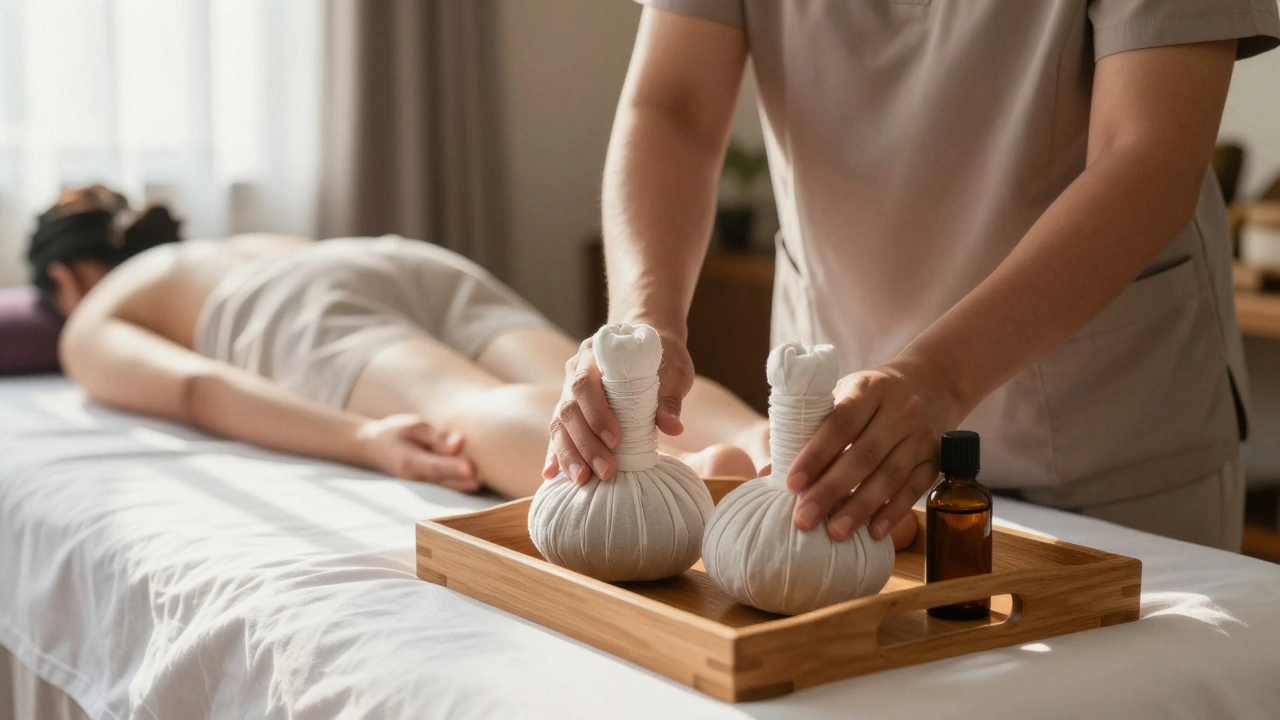
If you’re visiting Thailand and want genuine relaxation, there are plenty of safe, legal, and affordable options. Traditional Thai massage is deeply rooted in Buddhist healing practices and focuses on pressure points, stretching, and energy lines called "sen." It’s effective for relieving muscle tension, improving circulation, and reducing stress.
Look for spas with certifications from the Ministry of Public Health or affiliations with recognized organizations like the Thai Spa Association. Reputable places include Wat Pho Massage School graduates’ clinics, Let’s Relax Spa, and Health Land. These establishments maintain clean environments, employ trained professionals, and offer transparent pricing.
A standard one-hour Thai massage costs between 300 and 800 baht ($9-$24 USD), depending on location and reputation. For comparison, an illegal "body-to-body" session might cost 2,000+ baht-and still leave you vulnerable to exploitation. Why risk your safety and wallet for something that isn’t even real therapy?
Cultural Respect and Local Impact
It’s also worth considering the cultural impact of seeking out illegal services. Thailand prides itself on hospitality and respect. Engaging in prostitution undermines local communities, fuels human trafficking, and contributes to social problems. Many Thais feel embarrassed by foreigners who exploit their country’s lenient enforcement in certain areas.
By choosing legitimate spas, you support ethical businesses that provide fair wages and safe working conditions for therapists. You also help preserve the integrity of traditional healing arts that have been passed down through generations. Your choices as a traveler send a message about what kind of tourism you value.
What to Do If You Encounter Problems
If you find yourself in a difficult situation-whether you’ve been scammed, threatened, or arrested-here’s what to do:
- Stay Calm: Panic makes things worse. Try to de-escalate the situation verbally without admitting guilt or making promises you can’t keep.
- Contact Your Embassy: Save the emergency number for your country’s embassy or consulate in Thailand before you arrive. They can provide legal advice, recommend lawyers, and assist with communication barriers.
- Do Not Pay Extortion Demands: Paying once often leads to repeated demands. Document everything-photos, receipts, witness names-if it’s safe to do so.
- Seek Medical Help: If you suspect drug involvement or physical harm, go to a hospital immediately. Hospitals in major cities like Bangkok and Chiang Mai have English-speaking staff and can file official reports.
The Royal Thai Police have a dedicated unit for tourist-related crimes. You can call 1155 for assistance in English. While bureaucracy can be slow, having official documentation helps protect your rights during investigations.
Final Thoughts
Thailand offers incredible experiences-from bustling markets to serene temples and pristine beaches. Don’t let misinformation ruin your trip by chasing fantasies that don’t exist. Stick to reputable spas, enjoy authentic cultural exchanges, and prioritize your safety above all else. The memories you’ll take home will be far richer than any fleeting thrill obtained through illegal means.
Is body-to-body massage legal in Thailand?
No. Body-to-body massage is not a recognized therapeutic practice in Thailand and is typically associated with illegal sexual services. Providing or soliciting such services violates the Prevention and Suppression of Prostitution Act B.E. 2539 (1996).
How much does a legitimate Thai massage cost?
A standard one-hour traditional Thai massage ranges from 300 to 800 baht ($9-$24 USD) at reputable spas. Prices vary based on location, facility quality, and therapist expertise.
What should I do if I’m scammed at a massage parlor?
Stay calm, avoid paying extortion demands, document evidence if possible, and contact your embassy or the Royal Thai Police tourist hotline at 1155 for assistance.
Are there certified massage schools in Thailand?
Yes. Wat Pho Temple in Bangkok hosts the official Thai Traditional Medicine Hospital and offers certified courses in Nuad Boran. Graduates often work in accredited clinics and spas nationwide.
Can I get arrested for using illegal massage services?
Yes. Foreign nationals involved in prostitution-related offenses can face arrest, fines, deportation, and potential bans from re-entering Thailand. Enforcement varies by region but remains active in tourist zones.
Write a comment