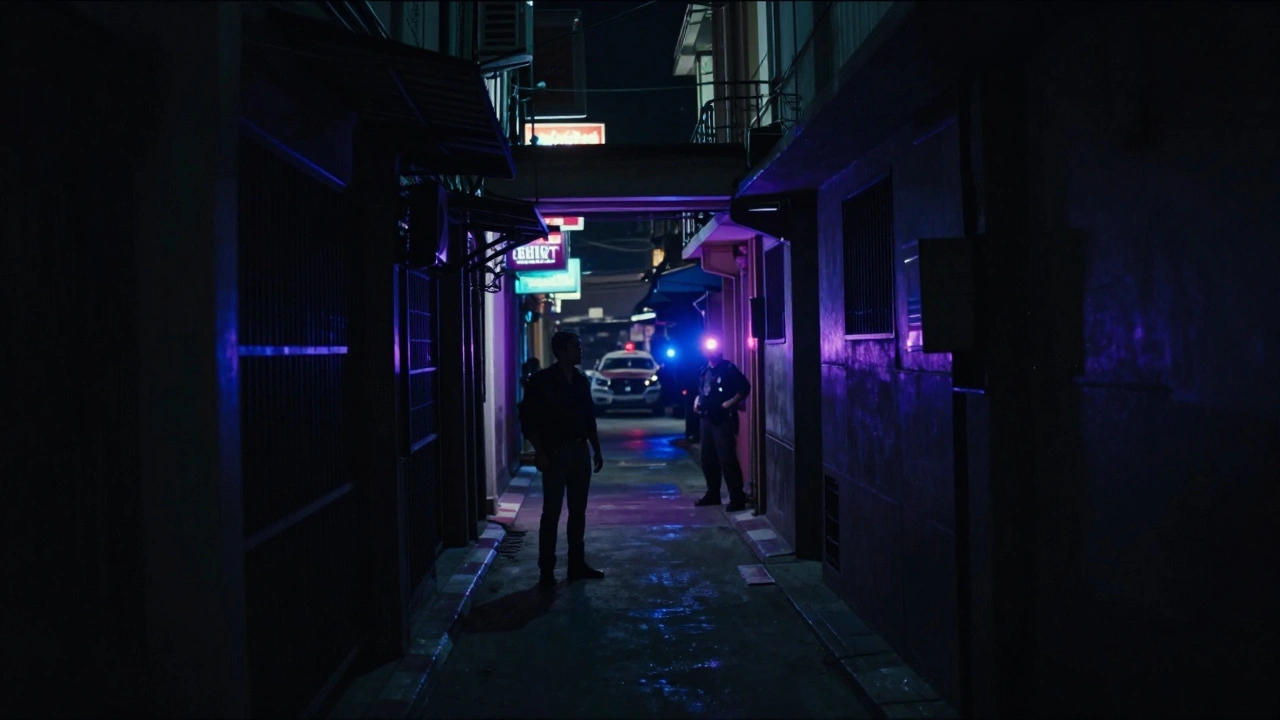
You’ve heard the rumors. You’ve seen the dimly lit signs on Sukhumvit Soi 11 or the quiet alleys off Silom Road. The phrase "happy ending" follows tourists like a shadow in Bangkok, promising something illicit behind closed doors. But here is the hard truth you need to hear before you step foot in any establishment: **soliciting prostitution is illegal in Thailand**, and the industry you are chasing is fraught with scams, police raids, and serious health risks.
As someone who has spent years analyzing travel safety trends across Southeast Asia, I can tell you that the search for these services often leads travelers down a dangerous path. Instead of risking your wallet, your health, and your legal standing, let’s talk about what is actually available, how to stay safe, and where to find legitimate relaxation in one of the world’s most vibrant cities.
The Reality of Thai Law and Enforcement
Many visitors arrive in Bangkok under the misconception that sex work is fully regulated or openly tolerated. While it may seem ubiquitous, the legal reality is strict. Under the Criminal Code Act B.E. 2499 (1956), prostitution and related activities are criminal offenses. Police conduct regular raids on establishments suspected of operating brothels or facilitating solicitation.
If you are caught engaging in or attempting to engage in illegal sexual services, the consequences can be severe. These include heavy fines, deportation, and being banned from re-entering Thailand for up to five years. For many tourists, this turns a vacation into a legal nightmare involving immigration detention and missed flights. The risk does not outweigh the reward, especially when considering the prevalence of entrapment operations designed to target foreign nationals.
| Risk Category | Potential Consequence | Likelihood |
|---|---|---|
| Legal Action | Fines, arrest, deportation, entry ban | Moderate to High |
| Financial Scams | Inflated bills, theft, extortion | High |
| Health Issues | STIs, skin infections, hygiene-related illnesses | Moderate |
| Personal Safety | Robbery, assault, kidnapping threats | Low to Moderate |
Common Scams Targeting Tourists
The underground economy surrounding adult entertainment relies heavily on deception. If you walk into a parlor expecting one thing and receive another, you are likely falling victim to a well-rehearsed scam. Understanding these tactics is crucial for protecting yourself.
- The Menu Trap: Many places advertise low prices but present a hidden menu upon arrival. When you refuse the expensive add-ons, staff may become aggressive, demand payment for services you didn’t want, or threaten to call the police.
- The Drink Spike: In some bars associated with escort services, drinks are overpriced and sometimes spiked. This leaves victims vulnerable to theft or coercion while they are disoriented.
- Fake Police Raids: Scammers pose as law enforcement to intimidate customers into paying exorbitant "bribes" to avoid arrest. Always verify police identity by calling official emergency numbers directly.
For those seeking companionship, it is vital to distinguish between legitimate social interactions and exploitative schemes. Searching for terms like Bangkok escort often leads to unregulated websites that offer no consumer protection. These platforms rarely verify the identities of individuals listed, leaving users exposed to fraud and personal danger.
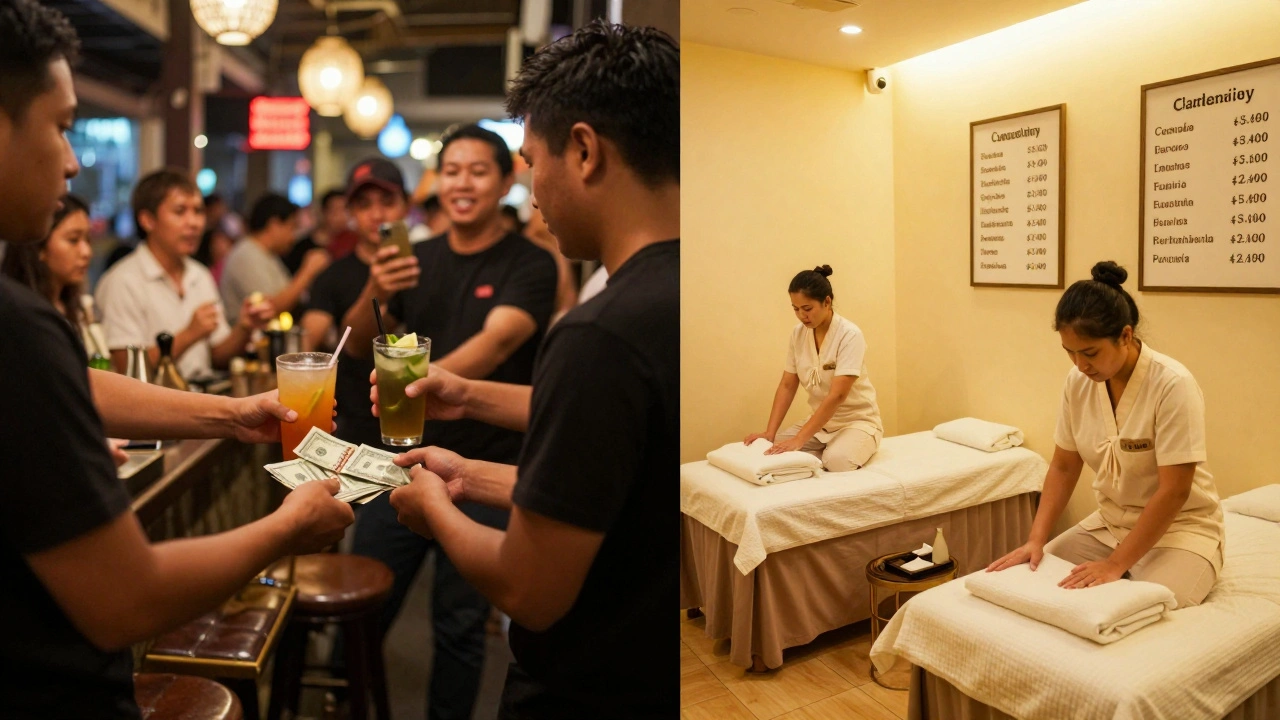
Legitimate Massage and Wellness Culture
Bangkok is globally renowned for its authentic Thai massage tradition, which dates back centuries. This is not just a tourism gimmick; it is a respected medical and cultural practice recognized by the World Health Organization for its therapeutic benefits. Legitimate spas focus on relaxation, pain relief, and holistic well-being.
Authentic Thai massage involves rhythmic compression and deep stretching movements. Practitioners use their hands, knees, legs, and feet to move you into various positions. There is no oil used in traditional styles, distinguishing them from Western-style relaxation massages. If you are looking for genuine rejuvenation, seek out establishments accredited by the Thai Spa Association or those holding international quality certifications.
Popular areas for high-quality, reputable spas include Khao San Road for budget-friendly options and Sukhumvit for luxury experiences. Look for clean facilities, uniformed staff, and clear pricing displayed at the entrance. Avoid places with scantily clad employees or suggestive signage, as these are strong indicators of illicit operations.
Safety Tips for Navigating Nightlife
Bangkok’s nightlife is incredible if approached with caution. From rooftop bars offering panoramic views of the skyline to live music venues in Thong Lor, there is plenty to enjoy without stepping into legal gray areas. Here is how to keep your experience positive and safe.
- Stick to Reputable Areas: Neighborhoods like Sathorn, Silom (main road), and Ekkamai have vibrant, safe nightlife scenes with established clubs and bars.
- Use Trusted Transportation: Avoid unmarked taxis. Use ride-hailing apps like Grab or Bolt, which provide transparent pricing and driver tracking.
- Keep Valuables Secure: Carry only what you need. Leave passports and excess cash in your hotel safe. Pickpocketing is common in crowded night markets and clubs.
- Respect Local Customs: Thailand is a conservative Buddhist country. Dress modestly when visiting temples and show respect to the monarchy and local traditions.
If you encounter situations that feel uncomfortable or unsafe, leave immediately. Do not engage with aggressive individuals. Most hotels have security teams that can assist with transportation or contacting authorities if needed.
Understanding the Escort Industry Risks
The term "escort" often implies companionship for social events, but in the context of online searches, it frequently crosses into illegal territory. Websites advertising escort Bangkok services operate in a legal vacuum. They do not adhere to labor laws, health regulations, or consumer protection standards.
Engaging with these services exposes you to significant risks beyond legal penalties. Human trafficking is a persistent issue in the region, and unknowingly participating in such networks contributes to exploitation. Ethical travel means supporting businesses that treat workers fairly and operate within the law. By choosing legitimate entertainment and wellness options, you contribute positively to the local economy and ensure your own safety.
Alternative Experiences in Bangkok
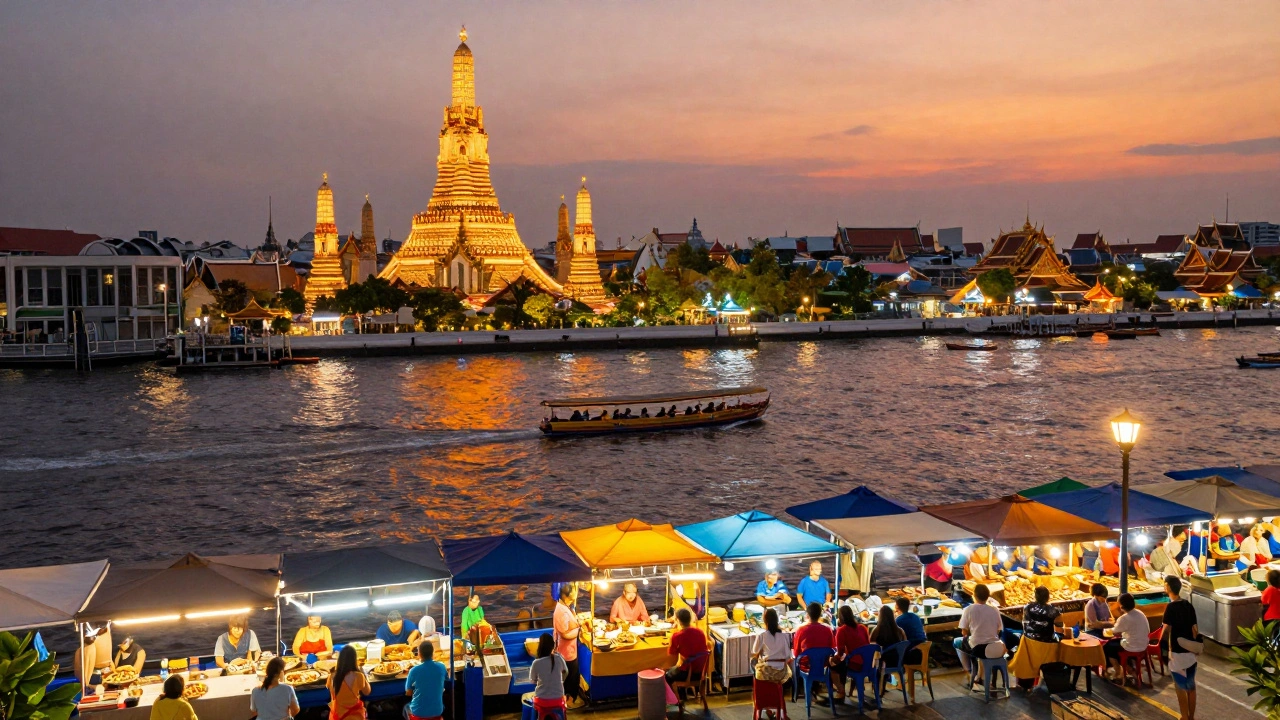
Instead of chasing risky encounters, consider immersing yourself in Bangkok’s rich cultural offerings. The city offers some of the best street food in the world, from crispy Pad Thai at Yaowarat to mango sticky rice at Chatuchak Market. Evening river cruises provide a serene way to see illuminated temples and historic architecture.
For active travelers, Muay Thai boxing matches at Rajadamnern Stadium offer an exhilarating display of skill and tradition. Art enthusiasts can explore the Jim Thompson House or contemporary galleries in Ari. Each of these experiences provides memorable moments without the anxiety of navigating illegal activities.
Is prostitution legal in Bangkok?
No, prostitution is illegal in Thailand under the Criminal Code Act. While it may appear widespread, engaging in or soliciting sexual services can result in arrest, fines, deportation, and bans from re-entering the country.
How can I identify a legitimate massage parlor?
Look for clean, professional environments with clearly posted prices. Staff should wear uniforms, and the atmosphere should be calm and respectful. Avoid places with suggestive imagery, scantily dressed employees, or pressure to buy additional services.
What are the biggest scams targeting tourists in Bangkok nightlife?
Common scams include inflated drink bills, fake police raids demanding bribes, and menu traps where hidden fees are added after you sit down. Always check prices beforehand and use trusted transportation methods.
Are there safe areas for nightlife in Bangkok?
Yes, neighborhoods like Sukhumvit, Silom, and Thong Lor offer vibrant, safe nightlife with reputable bars, clubs, and restaurants. Stick to main roads and well-lit areas, and avoid isolated alleys late at night.
What should I do if I am arrested in Thailand?
Contact your embassy or consulate immediately. Do not sign any documents you do not understand. Request a lawyer and inform your hotel management so they can assist with communication and logistics.
Write a comment