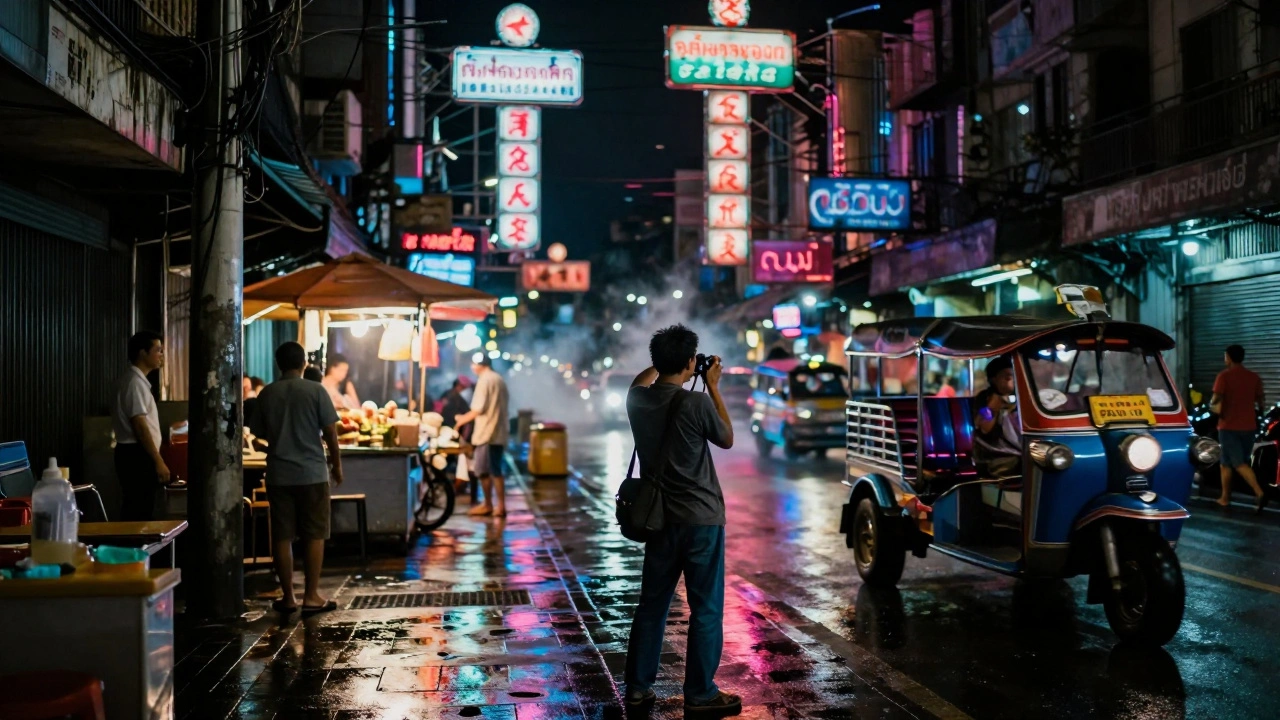
It’s a question that pops up in bars from Soho to Sukhumvit. You’re talking about the wild nights of the early 2000s, the era of unfiltered travel blogs and chaotic party scenes, and someone mentions Stickman Bangkok. Then comes the follow-up: "Wait, what happened to him?" The name sounds like a character from an indie comic or a forgotten graffiti tag, but for a specific slice of internet history, it was a brand. It represented a certain kind of raw, unpolished, and often controversial look at life in Thailand’s capital.
If you are looking for a dramatic tale of disappearance, crime, or exile, you might be disappointed. There is no police blotter entry for Stickman. There isn’t a viral documentary exposing a scandal. The truth is far more mundane, yet it speaks volumes about how the digital world-and the tourism industry-has evolved over the last two decades. Stickman Bangkok didn’t vanish; he faded. He was a product of his time, a digital nomad who capitalized on a gap in the market before the market changed completely beneath his feet.
The Era of the Rough Guide Blogger
To understand why Stickman disappeared, you have to understand where he came from. In the mid-2000s, the internet was a different place. TripAdvisor was still finding its footing, Instagram didn’t exist, and TikTok was years away. If you wanted to know which bar in Patpong had the best shots or which tuk-tuk driver wouldn’t rip you off, you relied on forums, personal blogs, and word-of-mouth. This was the golden age of the "insider" blogger.
Stickman Bangkok fit this mold perfectly. His content wasn’t polished. It was gritty, opinionated, and focused heavily on the nightlife scene. He wrote about the red-light districts, the cheap beer gardens, and the chaotic energy of Soi Cowboy and Nana Plaza. For travelers seeking an edgy, unfiltered experience, his blog was a treasure trove. But this focus also tied him tightly to a specific aspect of Thai culture that has faced increasing scrutiny and regulation over the years.
Unlike today’s influencers who curate aesthetic perfection, Stickman offered authenticity. He showed the sticky floors, the aggressive touts, and the complex social dynamics of Bangkok’s adult entertainment sector. This authenticity built a loyal following, but it also made his content fragile. As platforms like Google tightened their algorithms against "adult-oriented" content, and as social media companies banned explicit material, bloggers like Stickman found themselves pushed to the margins. They couldn’t monetize easily, and they couldn’t reach new audiences without risking de-platforming.
The Shift in Bangkok’s Tourism Landscape
Bangkok itself changed dramatically during the period when Stickman was most active. The city transformed from a backpacker hub into a global metropolis. Luxury hotels rose along the Chao Phraya River, high-speed BTS Skytrain lines expanded, and international brands flooded the shopping malls. The tourist demographic shifted too. Fewer solo backpackers were arriving with $10 a day, and more affluent tourists were seeking curated experiences, wellness retreats, and safe, family-friendly environments.
This shift created a disconnect. The raw, street-level reporting that Stickman provided became less relevant to the average traveler. Modern tourists want seamless itineraries, not warnings about shady alleyways. They rely on apps like Grab for transport and Klook for activities. The need for a lone wolf blogger navigating the dangers of the night economy diminished. The information Stickman provided was increasingly replaced by algorithmic recommendations and highly moderated review sites.
Furthermore, the Thai government has cracked down harder on illegal activities in recent years. Raids on establishments involved in human trafficking and prostitution have become more frequent and publicized. While the underground economy persists, it operates with greater caution. The open, brazen atmosphere that Stickman documented in his heyday has largely gone underground or been sanitized for mass consumption. Writing about it openly carries legal risks that many content creators are unwilling to take.
The Rise of Algorithmic Discovery
Perhaps the biggest factor in Stickman’s disappearance is the death of the independent niche blog as a primary source of travel advice. Today, if you search for "Bangkok nightlife," you don’t get a list of personal essays from 2008. You get sponsored posts from hotel chains, video tours from YouTube influencers with millions of subscribers, and aggregated reviews from massive platforms. The SEO landscape favors authority and volume over individual voice.
Small blogs struggle to compete. Without significant investment in marketing and content production, they disappear from search results entirely. Stickman Bangkok likely stopped updating because the effort no longer yielded returns. Maintaining a website costs money, and if your traffic drops by 90% due to algorithm changes, there’s little incentive to keep going. Many bloggers from that era simply moved on to other jobs, started families, or switched to newer platforms where they could rebuild their audience from scratch.
Social media also fragmented attention. Instead of visiting one blog for comprehensive guides, users now scroll through endless feeds of short-form videos. A 15-second clip showing a vibrant street food stall gets more engagement than a 2,000-word article about the history of a particular district. The medium changed, and those who couldn’t adapt faded into obscurity. Stickman’s style-long-form, text-heavy, and image-light-was ill-suited for the TikTok generation.

Where Is He Now?
So, where did Stickman go? There is no definitive answer, but we can make educated guesses based on patterns seen in the digital nomad community. Many expats who lived in Bangkok during the boom years eventually left. Some returned to their home countries after saving enough money. Others moved to cheaper Southeast Asian destinations like Chiang Mai, Siem Reap, or Bali. Life abroad is exciting for a while, but visa restrictions, humidity, and homesickness often lead to departure.
It’s possible that Stickman still lives in Thailand under a different name, working a regular job and keeping a low profile. The persona of "Stickman" may have been just that-a persona used to protect privacy while writing about sensitive topics. Once the novelty wore off or the risks increased, shedding the online identity would be a logical step. Alternatively, he may have pivoted to a completely different career, leaving the blogging world behind entirely.
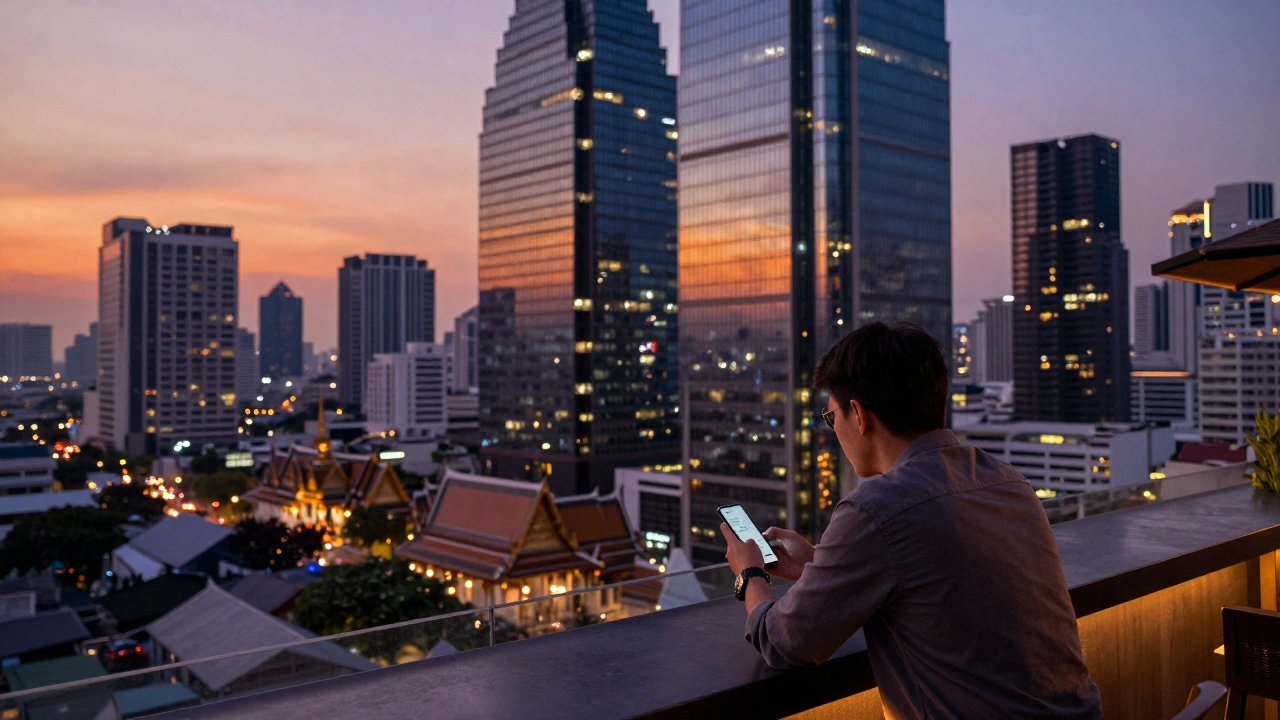
For those interested in exploring Bangkok’s current nightlife, the options are vast and varied. From rooftop bars with stunning views to underground electronic music clubs, the city offers something for every taste. However, the era of the rogue blogger guiding you through the shadows is largely over. Today’s guides are more structured, safer, and often commercially driven. If you’re looking for connections in the city, you might find resources like escort Bangkok services, though it’s crucial to approach such industries with extreme caution and awareness of local laws and ethical considerations.
Why We Miss the Old Blogs
Despite the convenience of modern travel tools, there’s a sense of loss associated with the decline of bloggers like Stickman. Their writing had personality. They shared failures, embarrassments, and genuine surprises. Today’s content is often so polished that it feels artificial. We see perfect smiles and flawless lighting, but we rarely see the reality of getting lost in a monsoon or dealing with a scammer.
That grit is what made stories memorable. When Stickman described a night out in Banglamphu, you could feel the heat and hear the noise. Modern guides tell you where to go, but they rarely make you feel like you’ve been there. The loss of these voices means a loss of cultural nuance. Travel becomes transactional rather than experiential. We consume destinations instead of engaging with them.
Yet, fragments of that old spirit survive. Independent journalists, podcasters, and long-form essayists continue to document life in Bangkok. They may not have the same visibility as they did in 2010, but they provide depth that algorithms cannot replicate. Finding them requires digging deeper, subscribing to newsletters, and supporting independent media. It’s less convenient, but the reward is richer storytelling.
Lessons for Digital Nomads and Bloggers
The story of Stickman Bangkok serves as a cautionary tale for anyone building an online presence. Relying on a single platform or format is risky. Algorithms change, trends fade, and audiences move on. Diversification is key. Successful creators today build email lists, engage across multiple social networks, and create evergreen content that remains relevant regardless of search engine updates.
Additionally, niche topics can be double-edged swords. Focusing exclusively on adult nightlife limits your audience and exposes you to censorship. Broadening your scope to include culture, food, and history can attract a wider readership and provide more stable income streams. Flexibility allows you to adapt when the winds of change blow.
Finally, privacy matters. Using pseudonyms and separating personal life from professional branding can protect you when circumstances change. Stickman’s anonymity allowed him to write freely, but it also made it difficult to maintain a connection with his audience once the blog went dark. Building a real relationship with readers creates loyalty that transcends platforms.
The Legacy of Unfiltered Travel
While Stickman Bangkok may be gone, his legacy lives on in the countless travelers who discovered the city through his eyes. He opened doors for people who might otherwise have stuck to tourist traps. He highlighted the vibrancy and chaos that makes Bangkok unique. Even if his methods were flawed or his perspective biased, he contributed to the rich tapestry of travel literature.
As we navigate an increasingly sanitized digital landscape, let’s remember the value of rough edges. Not every experience needs to be Instagram-worthy. Sometimes, the best memories come from moments that are messy, unexpected, and authentic. Whether you’re exploring the floating markets of Damnoen Saduak or wandering the streets of Chinatown, embrace the unpredictability. That’s where the real magic happens.
For those seeking a deeper understanding of Bangkok’s complex social fabric, resources like Bangkok escort directories offer insights into the city's hidden economies, though visitors should always prioritize safety, legality, and respect for local communities when engaging with any aspect of the nightlife scene.
Who was Stickman Bangkok?
Stickman Bangkok was a popular travel blogger in the mid-to-late 2000s known for his gritty, unfiltered reports on Bangkok's nightlife, particularly focusing on areas like Patpong, Soi Cowboy, and Nana Plaza. He gained fame for providing insider tips on bars, clubs, and the adult entertainment scene, appealing to adventurous travelers seeking an edgy experience.
Why did Stickman Bangkok stop blogging?
There is no official statement, but likely reasons include changes in search engine algorithms that penalized adult-oriented content, the rise of social media platforms that favored visual content over text, shifting tourist demographics towards safer and more curated experiences, and potential legal pressures regarding the documentation of illegal activities in Thailand.
Is Stickman Bangkok still alive?
There is no public record suggesting otherwise. It is widely assumed that he is alive but has chosen to remain out of the public eye. Many digital nomads from that era have either returned to their home countries, moved to other parts of Southeast Asia, or changed careers entirely.
Where can I find similar unfiltered travel blogs today?
While rare, you can find similar voices on independent platforms like Substack, Medium, or niche travel forums. Look for authors who focus on long-form journalism rather than quick tips. Podcasts dedicated to travel stories also often feature guests who share raw, unvarnished experiences that differ from mainstream influencer content.
Has Bangkok's nightlife changed since Stickman's time?
Yes, significantly. The city has become more regulated, with stricter enforcement against illegal activities. The tourist demographic has shifted towards luxury and wellness tourism. While the nightlife scene remains vibrant, it is generally safer, more expensive, and less chaotic than it was in the 2000s. Many traditional red-light districts have gentrified or moved further underground.
Was Stickman Bangkok controversial?
Yes, to some extent. His focus on the sex trade and nightlife drew criticism from those who felt it promoted exploitation or presented a skewed view of Thai culture. However, supporters argued that he provided valuable information for travelers wanting to avoid scams and navigate complex social environments safely.
Write a comment