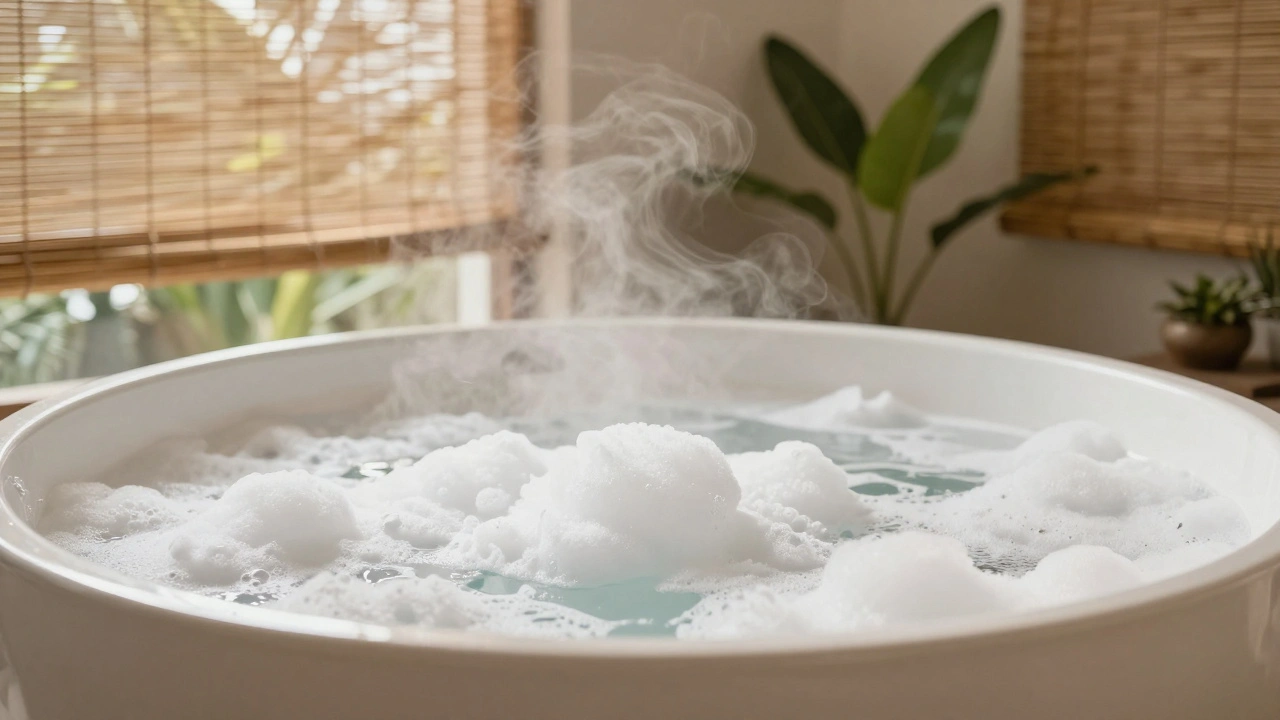
Imagine sinking into a warm bath, the water lapping at your shoulders, while someone gently works soap suds over your tense muscles. It sounds like pure relaxation, doesn't it? That’s the promise of a soapy massage. But here’s the thing-this isn’t just about feeling clean. It’s a specific type of body treatment that blends hydrotherapy with manual therapy, and if you’ve never tried one, you might be wondering what actually happens under those bubbles.
The term "soapy massage" can mean different things depending on where you are and who is performing it. In professional wellness centers, it usually refers to a therapeutic technique using liquid soap or specialized cleansers to reduce friction on the skin while providing deep tissue work. However, in other contexts, particularly in certain parts of Asia, the term has been co-opted by the adult entertainment industry. For example, searches for terms like Bangkok escort often surface alongside ambiguous spa advertisements, creating confusion for travelers looking for genuine relaxation. Knowing the difference between a legitimate therapeutic service and something else entirely is crucial for your safety and comfort.
What Exactly Is a Soapy Massage?
At its core, a soapy massage uses lubricants derived from soap or cleansing agents rather than traditional oils or lotions. The therapist applies a generous amount of foam or liquid soap to the client’s body, allowing them to glide their hands across the skin with minimal resistance. This technique is often performed in a wet environment, such as a large tub or a steam room, though some dry-room variations exist where the soap is rinsed off periodically.
The primary goal is twofold: relaxation and exfoliation. The warmth of the water opens up pores, while the mechanical action of the massage helps loosen tight muscles. Meanwhile, the soap acts as a mild abrasive, sloughing away dead skin cells. Unlike heavy oil massages that leave you greasy for hours, a soapy massage leaves your skin feeling fresh, clean, and hydrated. It’s essentially a full-body cleanse combined with a muscle release session.
However, because soap can be drying, not all soaps are created equal. Professional therapists use pH-balanced, hypoallergenic formulations designed specifically for therapeutic use. These products contain moisturizing agents like glycerin or natural oils to prevent the skin from stripping away its natural barrier. Using regular bar soap for a prolonged massage could lead to irritation, redness, or even micro-tears in the skin, which defeats the purpose of the treatment.
The Therapeutic Benefits Beyond Cleanliness
You might think that getting cleaned is enough, but the physiological benefits go deeper. Here’s why people seek out this treatment:
- Improved Circulation: The combination of warm water and rhythmic hand movements stimulates blood flow. Better circulation means more oxygen delivered to tissues, which can help reduce fatigue and improve overall energy levels.
- Enhanced Skin Texture: Regular exfoliation removes the outer layer of dead skin cells, revealing smoother, brighter skin underneath. Over time, this can reduce the appearance of rough patches and ingrown hairs.
- Muscle Relaxation: The low-friction environment allows therapists to apply consistent pressure without causing discomfort. This is particularly helpful for athletes or individuals with chronic tension in their back, shoulders, or legs.
- Mental Decompression: There’s something inherently calming about being submerged in warm water while being cared for. The sensory experience triggers the parasympathetic nervous system, lowering cortisol levels and promoting a state of calm.
For those dealing with stress-related conditions, this dual approach of physical and mental relief can be transformative. It’s not just a wash; it’s a reset button for your body and mind.
Safety First: How to Choose a Reputable Provider
This is the most critical part of the discussion. Because the term "soapy massage" is sometimes used as a euphemism for illicit services, finding a legitimate provider requires due diligence. You don’t want to end up in an unsafe situation or paying for a service that violates local laws.
Here’s how to spot a professional establishment:
- Licensing and Certification: Legitimate spas and wellness centers display their licenses prominently. Therapists should have certifications in massage therapy or esthetics. If they can’t provide proof, walk away.
- Transparent Pricing: Professional services have clear menus with fixed prices. Be wary of places that quote vague rates or ask for payment in cash only without receipts.
- Hygiene Standards: Look for clean facilities, fresh linens, and visible sanitation protocols. A reputable center will never reuse towels or gloves between clients.
- Professional Conduct: During consultation, staff should focus on your health needs, not make inappropriate comments. If the vibe feels off, trust your instincts.
In cities known for nightlife, such as Bangkok, distinguishing between a legitimate spa and an illegal operation can be tricky. Some websites advertising escort Bangkok services may mimic the look of legitimate travel guides, leading unsuspecting tourists astray. Always stick to well-known hotel spas or highly-rated wellness centers with verified reviews on platforms like TripAdvisor or Google Maps. Avoid street-side establishments with unclear signage or overly aggressive touts.
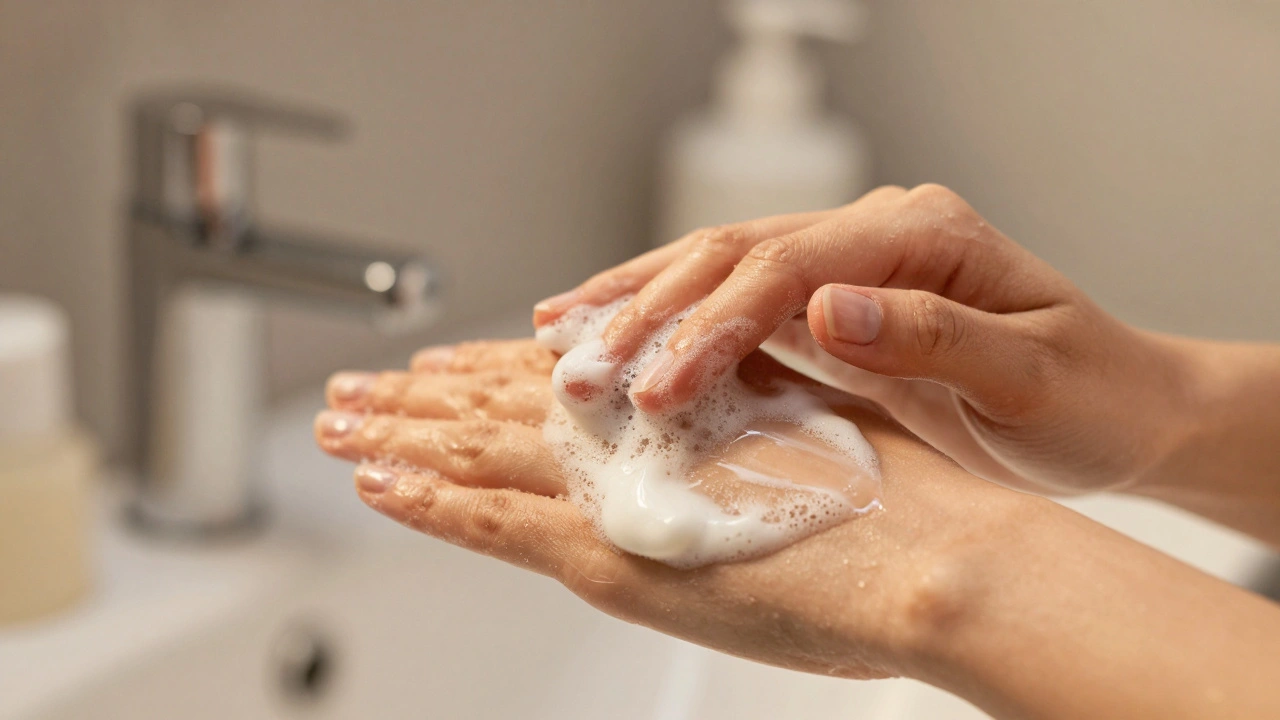
Who Should Avoid Soapy Massages?
While beneficial for many, soapy massages aren’t suitable for everyone. Certain skin conditions and health issues can make this treatment risky:
- Eczema or Psoriasis: Soap can exacerbate these conditions by stripping moisture from already compromised skin barriers.
- Open Wounds or Cuts: Introducing soap into broken skin can cause stinging, infection, or delayed healing.
- Severe Allergies: Even hypoallergenic soaps contain ingredients that might trigger reactions in sensitive individuals. Always do a patch test beforehand.
- Pregnancy: While gentle massages are generally safe during pregnancy, the slippery nature of soapy environments increases fall risk. Consult your doctor first.
If you fall into any of these categories, opt for a dry massage with oil or lotion instead. Your therapist can still provide excellent muscle relief without the added complexity of water and soap.
What to Expect During Your Session
First-timers often feel a bit nervous about undressing in front of a stranger or slipping in the tub. Here’s a step-by-step breakdown to ease your anxiety:
1. Consultation: Before anything happens, you’ll discuss your goals, any injuries, and skin sensitivities with the therapist. This is your chance to set boundaries and expectations.
2. Preparation: You’ll change into a gown or swimwear, depending on the facility’s protocol. The therapist will adjust the water temperature to your preference, usually around 98-104°F (37-40°C).
3. The Treatment: Once you’re comfortable in the tub, the therapist begins applying soap and working on specific areas. They may focus on problem zones like tight shoulders or sore lower backs. Communication is key-if the pressure is too hard or the water is too hot, speak up immediately.
4. Rinsing and Aftercare: At the end, you’ll rinse off thoroughly. The therapist will provide a towel and recommend moisturizer to lock in hydration. Drink plenty of water afterward to flush out toxins released during the massage.
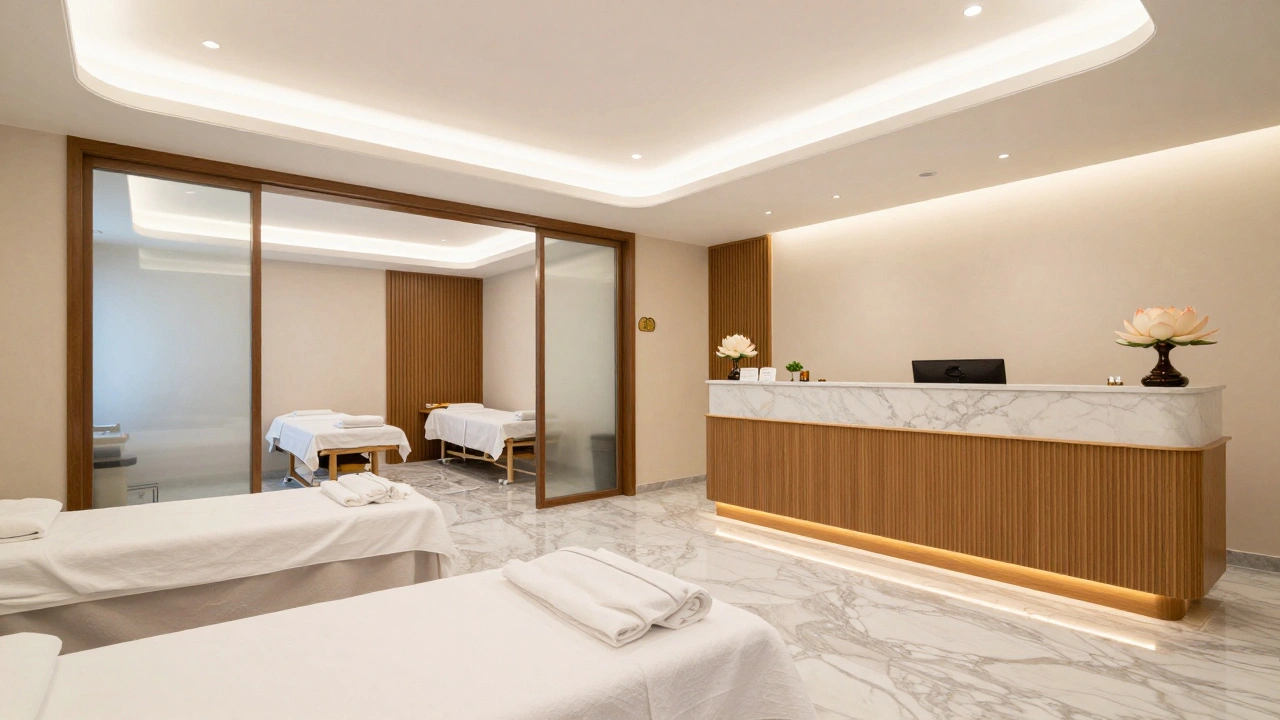
DIY Soapy Massage: Can You Do It at Home?
If you’re shy about going to a spa or simply want to save money, you can recreate a simplified version at home. Here’s how:
- Gather Supplies: Use a high-quality body wash or castile soap, a loofah or soft brush, and a non-slip mat for the shower floor.
- Create a Warm Environment: Run a hot shower to steam up the bathroom. This mimics the relaxing effect of a steam room.
- Apply Soap Generously: Lather up your entire body. Don’t skimp-you need enough slip to move freely.
- Use Gentle Pressure: Use your hands or a brush to massage your limbs, back, and chest. Focus on circular motions to stimulate circulation.
- Rinse and Moisturize: Wash off the soap completely and pat dry. Apply a rich body butter or cream while your skin is still damp.
While this won’t replace the expertise of a trained therapist, it’s a great way to maintain skin health and relieve minor tension between professional sessions.
Cost and Accessibility
Prices for professional soapy massages vary widely based on location and reputation. In major metropolitan areas, expect to pay between $80 and $150 for a 60-minute session. Luxury resorts may charge upwards of $200. Keep in mind that tipping is customary in many countries, typically 15-20% of the total bill.
To find affordable options, look for package deals or loyalty programs offered by local spas. Some gyms also offer hydrotherapy sessions that include soapy massage elements as part of their membership perks. Always read recent reviews to ensure quality hasn’t slipped.
Is a soapy massage the same as a bubble bath?
No, a bubble bath is purely self-administered and focuses on soaking. A soapy massage involves a therapist actively manipulating your muscles and skin using soap as a lubricant, providing both therapeutic and cleansing benefits.
Can I get a soapy massage if I have sensitive skin?
Yes, but you must inform your therapist beforehand. They should use fragrance-free, hypoallergenic soaps and avoid excessive scrubbing. If you experience redness or itching, stop the session immediately.
How long does a typical soapy massage last?
Most sessions range from 45 to 90 minutes, depending on the scope of treatment. A standard full-body session usually takes about 60 minutes, including preparation and cleanup time.
Are there any risks associated with soapy massages?
Risks are minimal when performed by professionals. Potential issues include skin dryness, allergic reactions, or slips/falls in wet environments. Choosing a reputable, licensed provider mitigates these risks significantly.
Should I tip the therapist after a soapy massage?
Tipping customs vary by country. In the US and Canada, 15-20% is standard. In Europe and Asia, tipping is less expected but appreciated for exceptional service. Check local norms before your visit.
Write a comment