You’ve probably seen the memes. You’ve heard the whispers in late-night conversations or stumbled upon a thread on social media asking if these places actually exist. The concept of a blowjob bar sounds like something out of a risqué comedy film-a place where you can walk in, pay a fee, and receive oral sex from a performer behind a mesh screen. It’s a staple of urban legend and internet folklore. But does it actually exist in the real world? And if so, what is the reality behind the myth?
The short answer is complicated. While the idea is pervasive, the actual existence of such establishments varies wildly depending on where you are in the world. In many countries, they are illegal underground operations. In others, they operate within specific legal frameworks that regulate adult entertainment. Understanding this distinction is crucial for anyone curious about the industry, whether for travel planning, sociological interest, or personal safety.
Defining the Concept: Myth vs. Reality
To understand the landscape, we first need to define what people mean when they say "blowjob bar." Typically, the term refers to an establishment where customers pay for oral sex performed by staff members. The defining feature is often the physical barrier-usually a mesh screen or glass partition-that prevents direct skin-to-skin contact between the customer and the performer. This barrier is cited as a hygiene measure, though its effectiveness is debated among health experts.
In the United States, Canada, and most of Western Europe, explicit sexual acts for money are largely illegal. Therefore, true "blowjob bars" as described in the meme culture do not legally exist in these regions. What might be mistaken for one is often a strip club with private dancing services, which operate under different legal guidelines. These venues allow intimate proximity but strictly prohibit sexual contact. Confusing the two can lead to serious legal trouble for uninformed visitors.
However, in parts of Asia, Latin America, and certain European cities with more liberal prostitution laws, similar concepts exist. They may go by different names, such as "love hotels" in Japan (though these are for privacy, not performance), or regulated brothels in Nevada, USA, and parts of Germany and Switzerland. The key difference is legality and regulation. Unregulated venues pose significant risks, while regulated ones adhere to strict health and safety codes.
Legal Landscapes Around the World
The legality of such establishments depends entirely on local jurisdiction. In countries where prostitution is decriminalized or heavily regulated, businesses offering sexual services must comply with licensing, taxation, and health inspection requirements. For example, in New Zealand, sex work is fully decriminalized, allowing workers to organize unions and demand safe working conditions. In contrast, in the United States, except for some counties in Nevada, selling sexual services is a felony.
This legal patchwork creates a gray market. In tourist-heavy areas, unlicensed venues may pop up, preying on visitors who assume the rules are different than they are. If you’re traveling to a city known for nightlife, it’s essential to research local laws. Assuming a venue is legal because it looks professional can be a dangerous mistake. Police raids on illegal operations are common, and customers can face fines, arrest, or deportation.
Consider the case of Amsterdam’s Red Light District. While famous for window prostitutes, the city has been tightening regulations due to concerns over human trafficking and public order. Many traditional windows have closed, replaced by licensed agencies that offer services in controlled environments. This shift highlights how even in tolerant societies, the industry is evolving toward greater oversight and away from street-level or unregulated interactions.
Safety and Health Concerns
If you’re considering visiting any adult entertainment venue, safety should be your top priority. The mesh screen often associated with blowjob bars is marketed as a protection against sexually transmitted infections (STIs). However, health experts warn that this is not foolproof. STIs like herpes, HPV, and syphilis can be transmitted through skin-to-skin contact or via fluids that may pass through small gaps. Additionally, barriers can tear or be improperly installed.
Beyond physical health, there are psychological and emotional risks. The power dynamics in these settings can be exploitative. Workers in unregulated venues may not have consented to their roles due to coercion, debt bondage, or trafficking. Supporting illegal operations inadvertently fuels these criminal networks. Ethical consumption means choosing venues that prioritize worker autonomy, fair pay, and safe conditions.
For travelers, situational awareness is key. Stick to well-known, reputable establishments. Avoid secluded locations or venues that seem sketchy. Trust your instincts-if something feels off, leave. Never share personal information or financial details beyond what’s necessary for payment. Using cash can reduce digital footprints, but it also removes transaction records that could help in case of disputes or theft.

The Role of Tourism and Global Variations
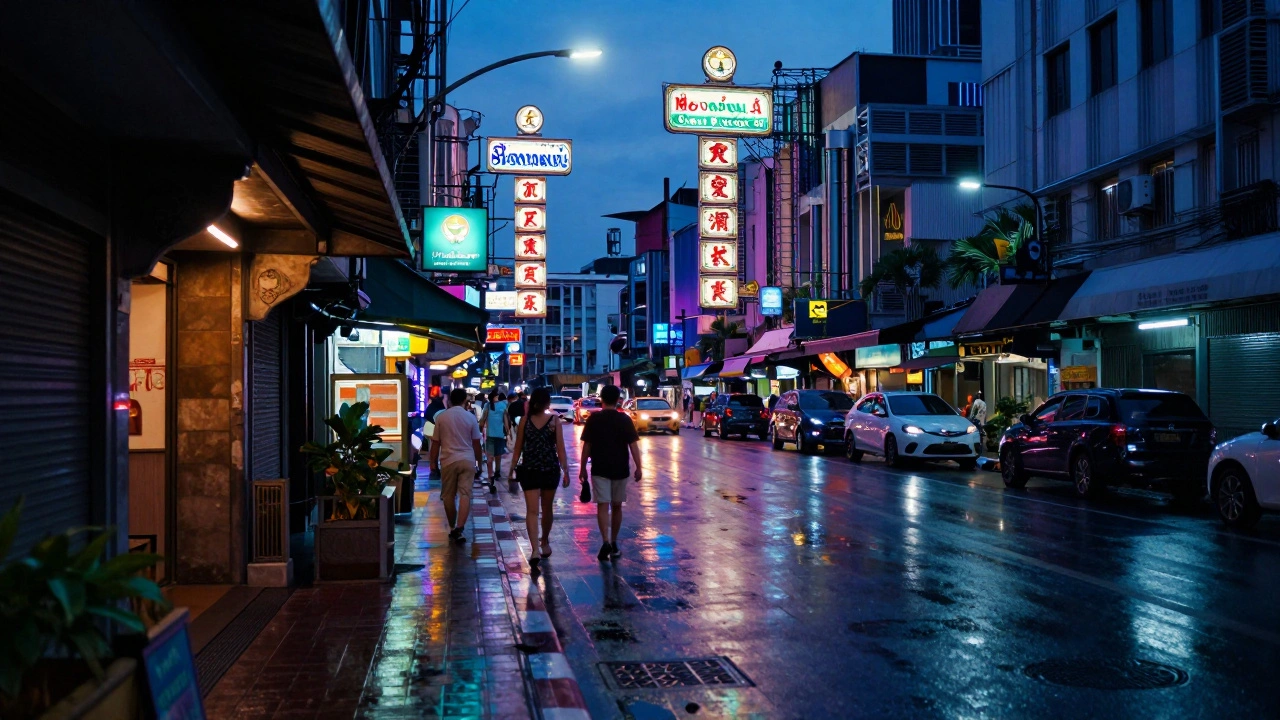
Tourism plays a huge role in the demand for adult entertainment. Cities with vibrant nightlife scenes often attract visitors seeking experiences outside their home countries’ norms. Bangkok, Thailand, is a prime example. Known for its bustling night markets and neon-lit streets, the city offers a wide range of adult services, from go-go bars to escort agencies. While not all are legal, many operate openly, catering to international tourists.
In such destinations, understanding local customs is vital. In Thailand, soliciting sex is technically illegal, but enforcement is selective. Many venues function as entertainment hubs where dancing and drinks are sold, and additional services are arranged privately. This ambiguity can confuse visitors. It’s important to distinguish between legal entertainment and illegal prostitution. Engaging in illegal activities can result in severe penalties, including imprisonment.
Some travelers seek out specific types of companionship, leading them to search for terms like Bangkok escort services. These searches often lead to websites advertising companionship, which may or may not include sexual services. Navigating this space requires caution. Reputable agencies provide clear terms of service, background checks, and health certifications. Illegal operators do not. Always verify credentials and read reviews from other users to gauge reliability.
Similarly, in cities like Berlin or Las Vegas, the adult industry is integrated into the broader tourism economy. Licensed brothels in Nevada require regular health tests for workers and maintain detailed records. In Berlin, sex workers have rights protected by labor laws, including access to healthcare and pensions. These examples show that when regulated properly, the industry can be safer for both workers and clients.
Ethical Considerations and Worker Rights
One of the most overlooked aspects of the adult entertainment industry is the well-being of the workers. Many individuals enter the field voluntarily, viewing it as a legitimate job with high earning potential. Others are forced into it through exploitation. Distinguishing between consensual sex work and human trafficking is critical. Signs of trafficking include restricted movement, lack of control over earnings, and visible signs of abuse.
Supporting ethical venues means looking for transparency. Do the workers appear comfortable and empowered? Are there clear boundaries and consent protocols? Ethical consumers advocate for policies that protect workers’ rights, such as decriminalization rather than prohibition. Criminalization drives the industry underground, making it harder for workers to report abuse or access medical care.
Organizations like Amnesty International and the World Health Organization have called for the decriminalization of sex work to improve safety and reduce stigma. Their reports highlight that where sex work is legal and regulated, workers experience lower rates of violence and better health outcomes. As consumers, our choices impact these systems. Choosing licensed, respectful establishments supports a healthier ecosystem.

Navigating Online Information and Scams
The internet is flooded with information about adult entertainment, much of it misleading. Websites promising exclusive access to illegal venues or discounted services are often scams. They may steal credit card information, install malware, or lure victims into phishing schemes. Always use secure browsers and avoid clicking on suspicious links.
Social media platforms also play a role in shaping perceptions. Influencers sometimes promote adult venues without disclosing partnerships or risks. Critical thinking is essential. Cross-reference information with official sources, such as government tourism sites or reputable news outlets. If a deal seems too good to be true, it probably is.
For those interested in exploring the scene safely, starting with general nightlife guides can be helpful. Learning about local clubs, bars, and events provides context without diving straight into risky territory. Building familiarity with the area helps identify legitimate businesses versus front operations. Patience and research are your best tools.
Practical Tips for Responsible Exploration
If you decide to visit an adult entertainment venue, follow these practical tips:
- Research Local Laws: Understand what is legal and illegal in your destination. Ignorance is not a defense in court.
- Choose Licensed Venues: Look for signs of regulation, such as health certificates or business licenses displayed prominently.
- Prioritize Consent: Respect the boundaries set by workers. Harassment or aggression will get you banned or arrested.
- Protect Your Health: Use protection if possible, and consider getting tested before and after travel if engaging in higher-risk activities.
- Stay Discreet: Avoid drawing attention to yourself. Loud behavior or overt gestures can attract unwanted scrutiny from police or locals.
Additionally, keep emergency contacts handy. Share your itinerary with a trusted friend. Know the location of the nearest embassy or consulate if traveling abroad. Having a plan reduces anxiety and ensures you can respond quickly if things go wrong.
Conclusion: Making Informed Choices
The allure of the forbidden often draws people to explore the edges of society’s taboos. But curiosity should never override caution. Whether you’re drawn by novelty, desire, or academic interest, approaching the adult entertainment industry with respect and knowledge is paramount. By understanding the legal frameworks, health implications, and ethical dimensions, you can make decisions that align with your values and ensure your safety.
Remember, the goal isn’t just to satisfy a momentary urge-it’s to engage responsibly with complex social realities. Every choice you make sends a message about what kind of world you want to support. Choose wisely.
Are blowjob bars legal in the United States?
No, with very few exceptions in Nevada counties where prostitution is regulated. In most states, paying for sexual services is illegal and carries criminal penalties.
What are the health risks associated with mesh-screen venues?
While screens reduce direct contact, they do not eliminate the risk of STI transmission through fluids or skin lesions. Barriers can also fail if damaged or improperly used.
How can I tell if a venue is operating legally?
Look for visible licenses, health inspection certificates, and transparent pricing. Legitimate businesses usually have online presence, reviews, and comply with local zoning laws.
Is it safe to use escort services while traveling?
Safety varies greatly. Only use registered, reputable agencies that verify worker identities and health status. Avoid independent ads or unverified platforms to minimize risks of scams or trafficking involvement.
What should I do if I encounter illegal activity?
Leave immediately and report the incident to local authorities if safe to do so. Document details discreetly, such as addresses or descriptions, to aid investigations without putting yourself at risk.
Write a comment