
Searching for the best happy ending massage online often leads to a confusing mix of wellness promises and illicit offers. The term itself is a euphemism used in many parts of the world to describe illegal sexual services disguised as therapeutic bodywork. While some travelers seek out these experiences due to curiosity or misconceptions about local laws, the reality involves significant legal risks, health dangers, and ethical concerns. Understanding what this phrase actually means-and why it is problematic-is crucial for anyone traveling abroad.
What Does 'Happy Ending' Actually Mean?
The phrase "happy ending" originated in adult entertainment contexts to refer to the conclusion of a service that includes sexual gratification. In the context of massage parlors, it implies that after a standard massage, the therapist will provide manual sexual stimulation. This practice is illegal in most countries with strict prostitution laws, including much of Asia, Europe, and North America. It is not a recognized form of therapy, nor is it endorsed by any legitimate medical or wellness organization.
Is a happy ending massage legal?
No. In most jurisdictions, offering or soliciting sexual services under the guise of massage is considered prostitution or solicitation, which is illegal. Penalties can include heavy fines, deportation, and criminal records.
The Dangers of Seeking Illegal Services
Pursuing such encounters carries serious consequences. First, there is the risk of arrest. Many tourist destinations have strict enforcement against sex tourism, and visitors are often targeted by sting operations. Second, health risks are significant. Unregulated environments lack proper hygiene standards, increasing the likelihood of sexually transmitted infections (STIs) or other health issues. Third, these establishments are frequently linked to human trafficking and exploitation. Workers may be coerced into providing services against their will, making participation an indirect support of criminal activity.
Travelers who engage in these activities also face reputational damage. Being involved in illegal sexual transactions can lead to visa bans, difficulty entering other countries, and personal embarrassment. Reputable travel guides and safety organizations consistently warn against seeking out such services, emphasizing that they compromise both personal safety and ethical travel practices.
Legitimate Massage Therapy vs. Illicit Offers
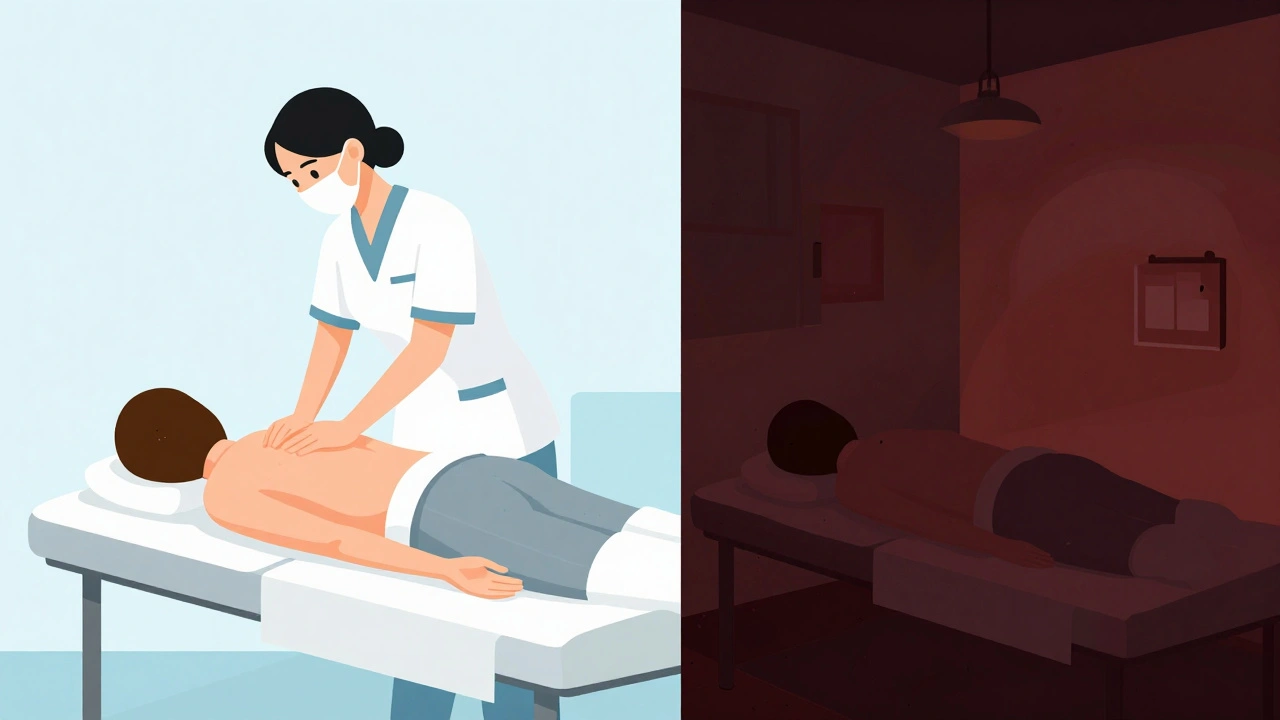
It is important to distinguish between professional massage therapy and illegal operations. Legitimate spas and clinics offer evidence-based treatments such as Swedish massage, deep tissue work, Thai massage, and aromatherapy. These services are provided by licensed practitioners who follow strict hygiene protocols and professional boundaries. They focus on relaxation, pain relief, and overall well-being without any sexual component.
| Feature | Professional Massage Therapy | Illicit 'Happy Ending' Parlor |
|---|---|---|
| Legal Status | Fully legal, regulated | Illegal in most countries |
| Practitioner Credentials | Licensed, trained therapists | Unlicensed, often exploited workers |
| Hygiene Standards | Strict sanitation protocols | Poor or non-existent hygiene |
| Primary Goal | Health, relaxation, pain relief | Sexual gratification |
| Risk Level | Low | High (legal, health, ethical) |
Understanding Sex Tourism in Popular Destinations
Certain cities are notorious for sex tourism, including parts of Southeast Asia, Eastern Europe, and Latin America. For example, Bangkok has long been associated with underground sex industries, despite Thailand’s complex legal landscape where prostitution itself is technically illegal but widely tolerated in certain zones. Travelers searching for terms like Bangkok escort or similar phrases often encounter websites promoting illegal activities. These sites may appear professional but operate outside the law and expose users to scams, theft, and violence.
In many cases, individuals advertising themselves as escorts or offering "special massages" are part of organized crime networks. Victims of trafficking are forced into these roles, and clients unknowingly contribute to their suffering. Ethical travelers should recognize that supporting such industries perpetuates systemic abuse and undermines efforts to combat human rights violations.
How to Identify Safe and Legal Wellness Services
If you’re looking for genuine relaxation during your travels, stick to reputable establishments. Look for spas affiliated with major hotels, certified wellness centers, or clinics recommended by trusted travel platforms. Check for licenses displayed prominently, read reviews from verified customers, and ensure staff wear uniforms and maintain professional conduct. Avoid places with vague menus, hidden rooms, or aggressive touting on the street.
- Verify credentials: Ask if therapists are licensed and insured.
- Check location: Choose businesses in safe, well-lit areas with clear signage.
- Read recent reviews: Use platforms like TripAdvisor or Google Maps to see feedback from other travelers.
- Avoid cash-only deals: Legitimate businesses usually accept cards and provide receipts.
- Trust your instincts: If something feels off, leave immediately.
The Impact on Local Communities
Sex tourism negatively affects host communities by distorting local economies and normalizing exploitation. It can discourage investment in legitimate tourism infrastructure and create social tensions. Moreover, it reinforces harmful stereotypes about women and marginalized groups, portraying them as commodities rather than individuals with rights and dignity. Responsible tourism advocates emphasize respecting local cultures and laws, ensuring that travel benefits everyone involved-not just those profiting from illegal activities.
For instance, in regions where traditional healing practices are valued, tourists should seek authentic cultural experiences instead of exploiting vulnerable populations. Supporting community-owned spas or participating in workshops led by local experts fosters mutual respect and sustainable development. This approach aligns with global initiatives aimed at reducing poverty and empowering women through fair trade and education.
Alternatives for Intimacy and Connection
Some travelers turn to illicit services because they feel lonely or disconnected while abroad. However, there are healthier ways to build connections. Joining group tours, attending social events, or using dating apps designed for meaningful relationships can help foster genuine interactions. Many expat communities organize meetups focused on shared interests, providing opportunities to bond with locals and fellow travelers in positive settings.
Additionally, mindfulness practices such as yoga retreats or meditation sessions promote inner peace and self-awareness. These activities encourage introspection and emotional balance, addressing underlying needs without resorting to risky behavior. By prioritizing mental and physical well-being, travelers can enjoy richer, more fulfilling journeys.

Legal Consequences Across Different Countries
Laws regarding prostitution vary significantly worldwide. In some nations, such as Germany and the Netherlands, regulated brothels exist within strict frameworks. Others, like Japan and South Korea, tolerate informal arrangements despite official prohibitions. However, engaging in sexual acts with minors-or even appearing to do so-is universally condemned and punishable by severe penalties. Even in places where adult consensual transactions occur openly, foreign nationals may still face prosecution upon returning home.
| Country | Status | Notes |
|---|---|---|
| Thailand | Technically illegal | Tolerated in specific areas; enforcement varies |
| Germany | Legalized and regulated | Brothels must register and comply with labor laws |
| United States | Illegal except in Nevada counties | Solicitation carries heavy fines and jail time |
| Japan | Prostitution banned | 'Soaplands' operate in gray area |
| Brazil | Decriminalized | Not illegal per se, but related activities restricted |
Ethical Considerations for Modern Travelers
Today’s conscious consumers prioritize sustainability and ethics in all aspects of life-including travel. Choosing not to participate in exploitative systems reflects a commitment to human rights and social justice. Organizations like UN Women and Amnesty International highlight how sex tourism fuels gender inequality and violence. By opting for responsible alternatives, travelers demonstrate solidarity with victims and advocate for change.
Furthermore, documenting and sharing negative experiences helps raise awareness among peers. Social media plays a powerful role in shaping public opinion, so posting honest accounts of encounters with shady operators can deter others from making similar mistakes. Collaboration between governments, NGOs, and private sectors continues to improve protection mechanisms for at-risk populations.
Final Thoughts on Responsible Exploration
While the allure of forbidden pleasures might tempt some adventurers, the costs far outweigh any temporary satisfaction. Prioritizing safety, legality, and morality ensures memorable trips free from regret or harm. Embrace authentic cultural exchanges, support local economies ethically, and cherish moments built on trust and respect. After all, true happiness comes from knowing you’ve contributed positively to the world around you.
Why do people search for 'happy ending massage'?
Curiosity, misinformation, or desire for intimacy drive searches. However, understanding the risks and ethical implications reveals why avoiding such queries protects both individuals and communities.
Can I get arrested for requesting a happy ending massage?
Yes. Soliciting sexual services is prosecutable in many countries, leading to detention, fines, deportation, or imprisonment depending on jurisdiction.
Are there safe ways to find companionship while traveling?
Absolutely. Try joining interest-based groups, volunteering locally, or using reputable dating apps designed for respectful connections.
What should I do if offered inappropriate services?
Politely decline and leave immediately. Report suspicious activity to authorities or hotel management to protect yourself and potentially save others from danger.
How does sex tourism affect local economies?
It distorts markets, discourages legitimate business growth, and perpetuates cycles of poverty and exploitation among vulnerable populations.
Write a comment